Micro mesh procurement review
Micro Mesh FRP Grating: Openings and Purchase Specs
“Micro mesh” is a market label, not a single measured product. Specify the upper pitch and actual clear opening, lower grid, bar width, overall depth, panel size, surface, resin, load basis and fixing requirement so the quotation describes the product that will actually be supplied.
Prepared by
Dengtai Industry
Published
·
Reviewed

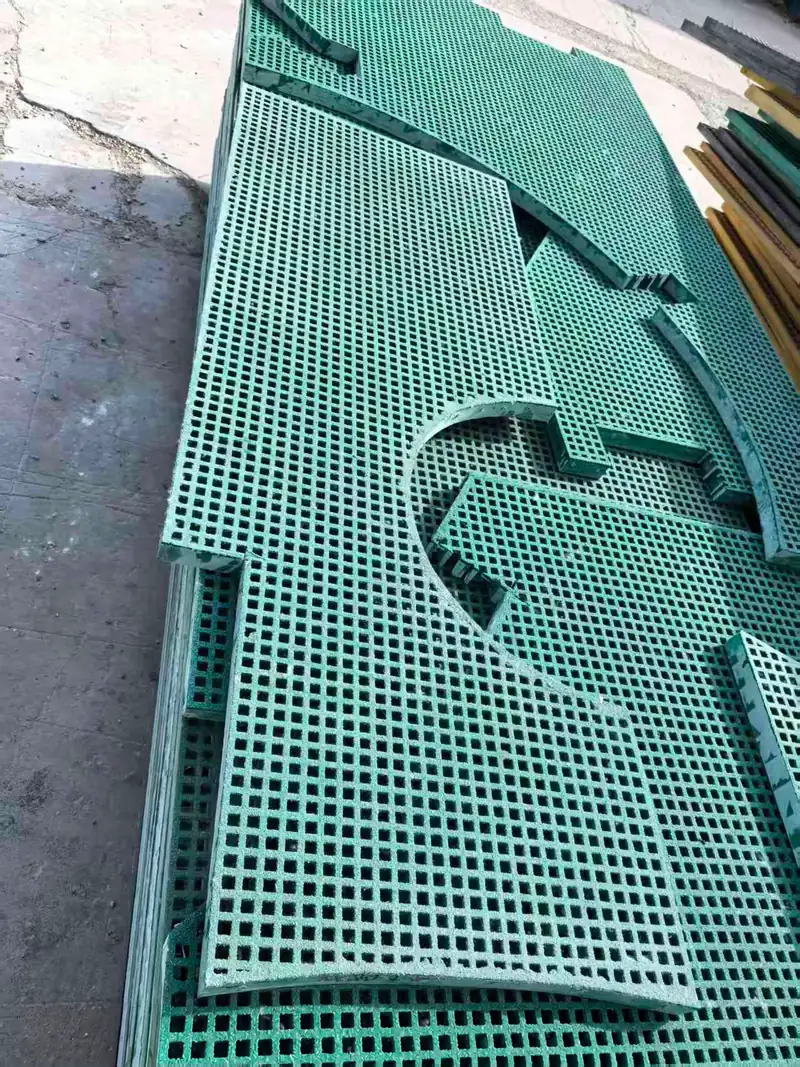
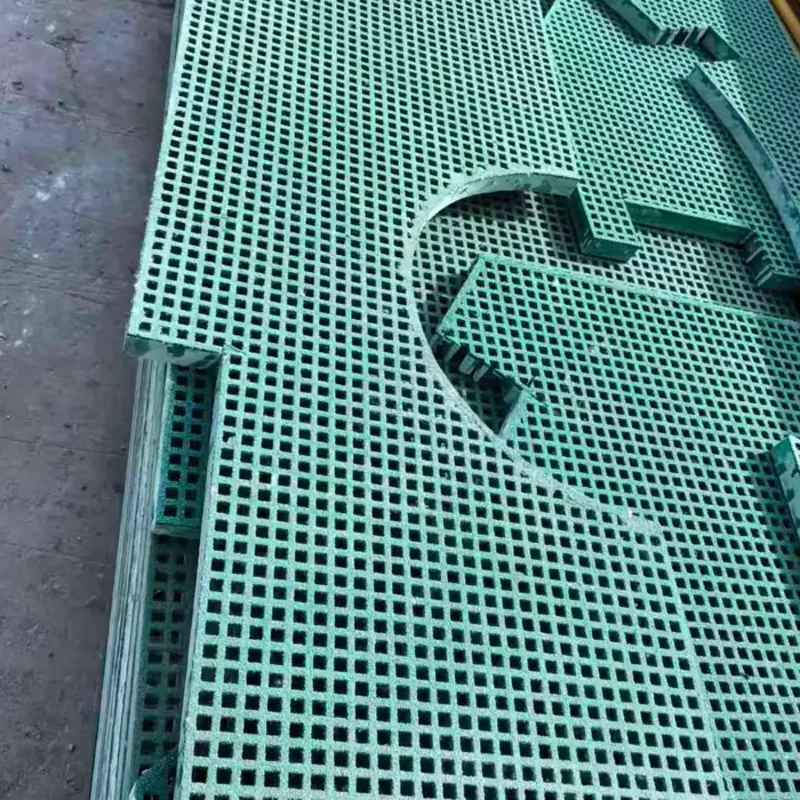
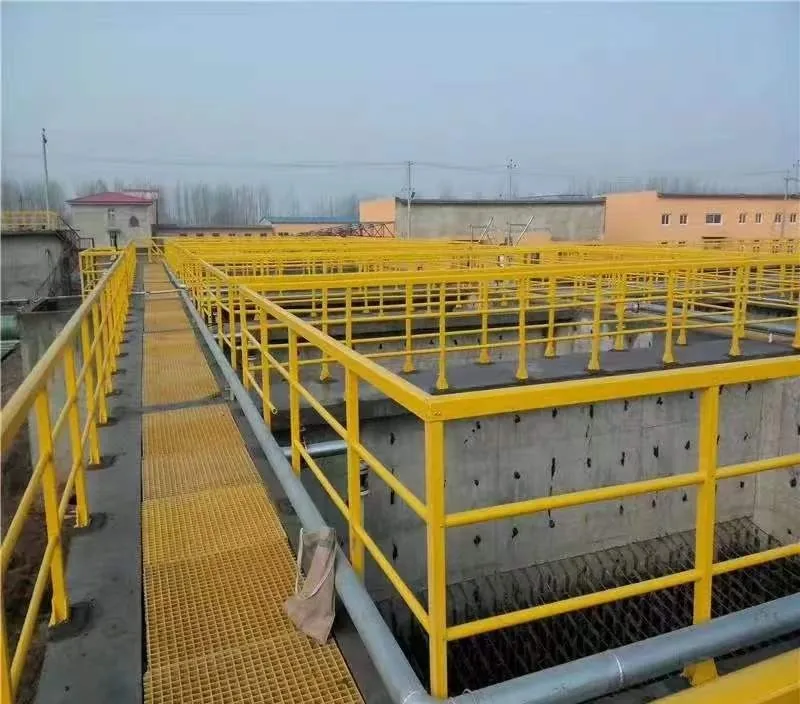
The visible top grid is one field; the supplied opening and lower grid must also be confirmed. Photo: Dengtai Industry.
The Short Answer: Specify the Row, Not the Name
“Micro mesh FRP grating” is useful as a search and catalogue term, but it is not a complete engineering or purchasing specification.
Two products called micro mesh can have different upper pitch, bar width, clear opening, lower grid, overall depth, panel format, resin and surface. One supplier may use the name for a product close to another supplier’s mini mesh.
The controlled specification therefore contains:
- the original market or catalogue name;
- measured upper pitch and clear opening;
- upper bar width;
- lower mesh and through-opening;
- actual overall depth;
- panel size and quantity;
- resin and surface;
- support and load basis;
- clip and edge requirement; and
- sample, drawing revision and evidence.
This page is the purchase route. The detailed mini vs micro terminology guide covers why the market names cannot be ranked or translated by assumption.

Separate Pitch, Opening and Open Area
These values are related but not interchangeable:
| Field | What it describes | What it does not guarantee |
|---|---|---|
| Pitch | Centre-to-centre spacing of the repeating bars | The clear gap between bar edges |
| Clear opening | The measured free space at a defined plane | The amount of open area across the panel |
| Open area | Percentage of surface left open | Whether one object or wheel will pass |
A nominal 11 × 11 mm grid does not automatically provide an 11 mm clear opening. The bar occupies part of the pitch, and the gap can change through a tapered or profiled bar.
State the measuring plane: top walking face, narrowest plane through the depth or underside. The FRP mesh selection guide explains how the same opening can behave differently for a bolt, heel, cable tie or wheel.
The High-Mat mesh selection guide makes a useful peer point: pitch and clear opening are different measurements, and a product-family name does not travel reliably between suppliers. We use that distinction as a purchasing rule, not as evidence that another manufacturer’s dimensions match our rows.
A Repeatable Measurement Procedure
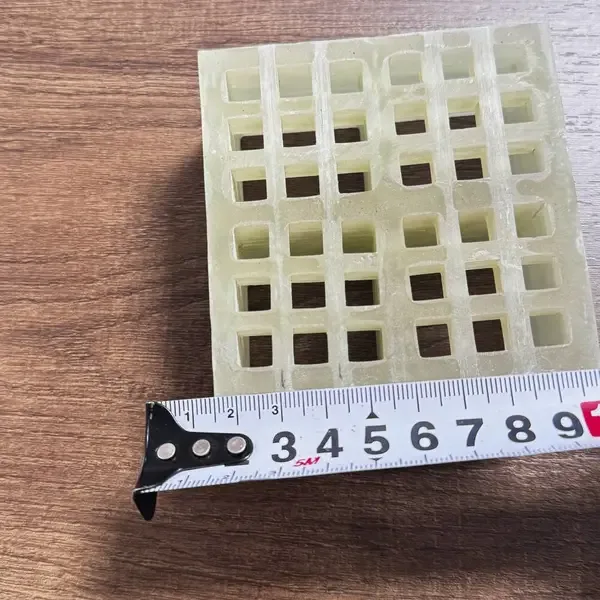
A single ruler photograph is weak evidence because the measuring plane and scale are unclear.
Use a repeatable procedure:
- identify the top and bottom faces;
- place a scale on the same plane as the grid;
- photograph a full-panel view and a close view;
- measure centre-to-centre pitch across several repeated openings;
- measure the bar width at the same area;
- measure the clear gap between bar edges;
- turn the sample over and record the lower pitch; and
- measure overall depth at several clean positions.
Record the measuring instrument and whether the readings are nominal, calculated or physically measured. Tapered bars, grit build, coatings and worn samples can change the apparent opening. A sample taken from a used panel also carries age, cleaning and damage, so the original product drawing remains important.
For a cut edge, photograph the full section. The top and bottom grids may look similar from above while the edge reveals a larger through-opening or a different structural bar underneath.
Confirm the Lower Structural Grid
Fine mesh normally appears as a double-layer construction: a tighter upper grid over a wider lower grid.
The lower grid can:
- provide the wider structural pattern;
- create the through-opening below the top surface;
- change stiffness and panel mass;
- hold debris between layers; and
- define the edge section at a cutout.
In our current range, a nominal 19 × 19 mm upper pitch is commonly paired with a wider 38 × 38 mm lower grid on relevant rows, while an 11 × 11 mm upper pitch belongs to a separate 30 mm row. These are product directions, not a universal conversion formula.
The mini mesh product page carries the current row table. This page explains how to turn the requested name into a controlled purchase record.
Measure the Product Before Substitution
When the request comes from another supplier, collect:
- a full top view;
- a lower-grid view;
- a cut-edge or section view;
- a scale reference;
- upper pitch across several openings;
- upper bar width;
- measured clear opening;
- lower pitch and through-opening; and
- overall depth from the approved top to bottom plane.
Keep the original sample or photograph with the controlled drawing. A product name from a previous order is not a substitute for the measured object.
Compare the Current Fine-Mesh Rows
The current schedule contains more than one fine upper grid:
| Current direction | Known depth | Bar width | Listed panel | Nominal mass |
|---|---|---|---|---|
| 11 × 11 upper | 30 mm | 8.0 mm | 1000 × 4000 | 21.5 kg/m² |
| 19 × 19 upper | 25 / 38 / 60 mm | 6.5 / 6.5 / 7.0 mm | 1220 × 3660 | 15.5 / 22.5 / 35.5 kg/m² |
| 20 × 20 upper | Current row varies | Confirm actual quote/drawing | Confirm | Confirm |
These are nominal schedule fields. The actual clear opening, lower mesh and tolerance must be confirmed for the exact ordered row.
Do not convert “micro mesh” into the 11 × 11 row automatically. It is one candidate direction. A buyer may use the same term for another fine upper pitch.
Treat Mass as a Handling, Load and Freight Input
A finer grid places more bar material in the same footprint. It can therefore add mass even when another product uses the same nominal depth. That does not make it stronger, and it does not identify the row by itself.
Use the exact row to calculate the whole package:
- the 1000 × 4000 mm, 21.5 kg/m² row is about 86 kg per nominal full panel;
- the 1220 × 3660 mm rows at 15.5, 22.5 and 35.5 kg/m² calculate to roughly 69, 100 and 159 kg per nominal full panel.
Those figures exclude clips, packing and any fabrication allowance. They are enough to show why “the panel is lighter than steel” is not a handling plan. A large panel may need to be divided into marked pieces that one or two people can move with the available lift path. The same mass also becomes dead load on a roof or frame and enters export packing and freight calculations.
Calculate each finished cut piece from its delivered area and the exact row mass. Confirm the actual panel record before using the result for purchase, support or transport planning.
The Fibergrate Micro-Mesh product page shows why a market name must remain attached to a named manufacturer and product. Its listed product uses a specific top mesh, panel format and depth range. Those values are valid for that product, not a universal definition of micro mesh.
The QY mesh geometry checklist applies the same logic to a drawing package: preserve the source label, then record top opening, lower grid, depth, rib width and orientation as independent fields.
Match the Opening to the Real Object
Describe what must be retained, not only the mesh:
- a dropped bolt or fastener;
- a heel or bare foot;
- a cable tie;
- a cart wheel;
- a wheelchair or trolley caster;
- leaves, fibrous debris or process material; or
- a stated ball-test or accessibility requirement.
Clients also use fine mesh where small trolley or wheelchair casters need a more continuous rolling contact, on wet public decks where smaller items or barefoot comfort matter, and around service openings where a removable panel has to stay manageable. These are application signals, not approval by themselves: resin, surface, support, mass, opening evidence and fixing still follow the exact project.
The size of the object, its orientation and rigidity matter. A square opening can pass a thin object diagonally. A soft or flexible object can deform through a gap that would stop a rigid sphere.
Where the project requires a drop or accessibility performance, the acceptance criterion must be stated. The ADA route guide explains why a panel label cannot establish the installed route condition.
Build an Evidence Path for the Stated Criterion
The evidence path should begin with the project requirement, not with a supplier’s “micro mesh” label:
- identify the standard or specification, edition and exact acceptance criterion;
- identify the product row, source drawing, sample and revision;
- state the measured opening, measuring plane, orientation and treatment of joints;
- identify whether the test or assessment covers one specimen, a panel or the installed assembly; and
- keep the report number, date, laboratory, result and stated scope with the approved product.
A statement that a product is “ADA compliant” or passes a ball test is not transferable to another row, opening, panel size or installation. The test report applicability guide explains how to compare the report with the actual order. When a project cites a ball dimension or other accessibility criterion, send that requirement with the RFQ so the exact opening and evidence can be checked. The wording of another manufacturer’s claim is not the acceptance criterion.
Keep Load and Support Separate
A finer top mesh does not prove higher load capacity. It can add mass and change the structure, but capacity still comes from the actual panel row, depth, support span, bearing and load case.
Send the load and support basis with the mesh request:
- support layout;
- clear span;
- bearing surface;
- point, wheel or uniform load;
- deflection criterion; and
- any cutouts or unsupported edges.
The mini-mesh thickness guide covers the depth decision in more detail.
Check the Clip Against the Small Bar
A clip that fits a standard panel may not fit the fine upper grid.
Check:
- bar width;
- upper mesh pattern;
- panel depth;
- support flange;
- jaw opening;
- bolt or screw path; and
- washer and nut contact.
The mini-mesh clips guide shows why the actual contact geometry decides the fit. “M clip” or “L clip” alone is not a complete specification.
Compare Drainage, Cleaning and Surface
A fine upper grid reduces open area. It can hold fibrous debris, mud or product residue closer to the top and make cleaning different from a coarse grating.
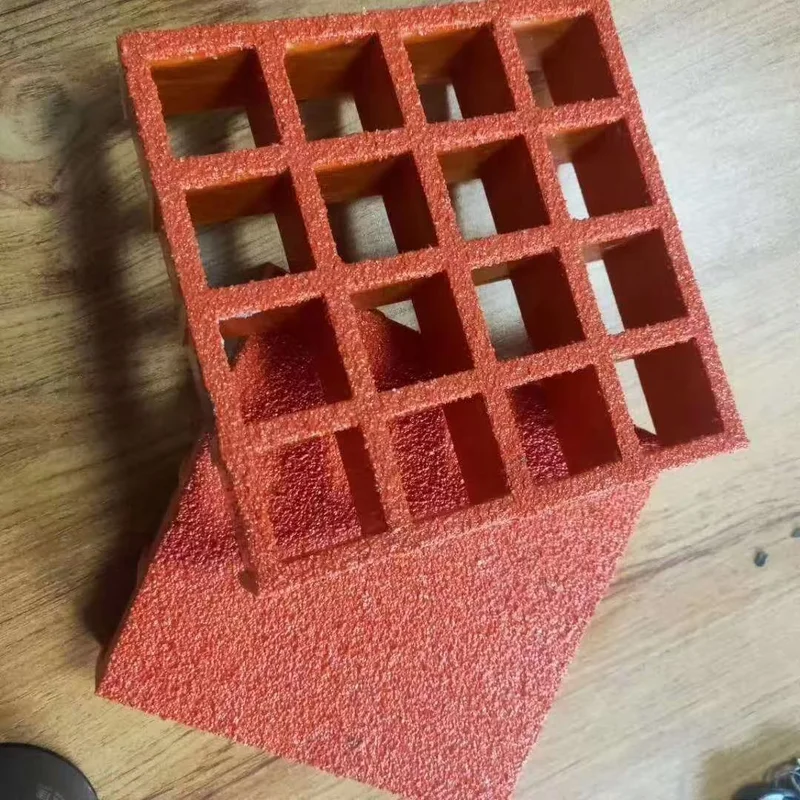
The surface guide separates concave, grit and covered finishes. Surface texture is an independent purchase field: a grit finish does not define the opening, and a fine mesh does not prove slip resistance.
The cleaning question should be tested against the actual debris, not only water. Longer fibres, food waste, paper, leaves or process solids can bridge a small opening even when the liquid drains freely. A water-treatment walkway may need routine wash-down for biological or mineral deposits, while a dry industrial floor may need dry sweeping and vacuuming.
If the debris cannot be removed without damaging the surface or blocking equipment below, a still finer grid may make the operating problem worse. Consider a larger opening, a covered format, removable panels for cleaning access or another route arrangement under the project design.
Prepare the Purchase File
The controlled file should include:
- source name or previous order;
- exact current row;
- upper pitch, bar width and measured clear opening;
- lower mesh and through-opening;
- overall depth and tolerance;
- length, width, quantity and direction;
- resin, color and surface;
- load and support basis;
- clip, edge and fabrication details; and
- sample, drawing revision and acceptance evidence.
The factory quotation should echo these fields. “Micro mesh, 25 mm, green” does not identify the product.
Our Factory View
We can review the source name against current fine-mesh rows, quote the available upper/lower mesh, depth and panel format, fabricate agreed cuts and marks, and retain a sample or drawing record. We can compare the requested clear opening only when the measuring plane is stated.
We cannot claim that our product is interchangeable with another manufacturer’s micro mesh without dimensions or a sample. We also do not treat fineness of mesh as evidence of load, fire, chemical, slip or accessibility performance.
Fine-mesh review
Send the Source Name and Measured Section
Include top and lower grids, depth, surface, load, fixing and sample evidence.
- Provide the original product name
- Show top, bottom and edge measurements
- Keep load evidence tied to the exact row
Product and geometry
What to Compare Before Ordering Micro Mesh FRP Grating
Use measured opening and the complete rows instead of comparing commercial names.
| Purchase question | Use this record | Not enough |
|---|---|---|
| Is it micro mesh? | Source label plus measured top and lower grids | A supplier name without dimensions |
| Will the object pass? | Object size and orientation against the actual clear opening | Nominal pitch alone |
| Is the panel deep enough? | Overall depth and the relevant load and support case | Fine mesh assumed to be stronger |
| Will it drain and clean? | Open area, lower grid, surface, debris and cleaning method | Top opening alone |
| Will the clip fit? | Bar width, depth, jaw and support | Standard clip name |
| Is the product approved? | Exact row, sample, drawing revision and load evidence | A picture that only shows the grid |
Purchase register
Fine-Mesh Cross-Section and Net Opening Table
These fields connect the visible grid to the through-opening, structure and acceptance evidence.
| Purchase record | Required value | Why it matters |
|---|---|---|
| Source name | Original catalogue or drawing term | Preserves what the buyer asked for without assuming dimensions |
| Upper pitch | Measured centre-to-centre spacing | Defines the top pattern |
| Upper clear opening | Measured free gap at the agreed plane | Controls object and wheel passage |
| Upper bar width | Measured bar dimension | Connects pitch to opening and clip fit |
| Lower mesh | Pitch and pattern of the wider grid | Defines the next through-opening and structure |
| Overall depth | Actual product depth and tolerance | Must agree with support, load and fixing |
| Panel and piece mass | Nominal kg/m² for the row plus calculated full-panel and finished-piece mass | Connects handling, dead load, packing and freight to the mesh choice |
| Open area | Calculated or supplied value for the exact row | Connects drainage and cleaning performance |
| Panel size and direction | Actual length, width and orientation | Fits frame, cuts and piece marks |
| Resin and surface | Grade, color and surface process | Keeps exposure and appearance separate from mesh |
| Load and support | Clear span, load, deflection criterion and exact row data | Fine mesh is not a structural rating |
| Clip and edge | Jaw fit, support, edge condition and piece mark | A standard letter may not fit a small bar |
| Evidence | Sample, drawing, revision plus the stated accessibility, ball or other test scope | Appearance is not product approval |
Specification gates
When a Micro Mesh FRP Grating Quote Is Complete
Approve the exact row only when opening, depth, load, fixing, surface and sample agree.
Specify this if…
- The object or route condition requiring a smaller opening is stated.
- The source name and exact current row are identified.
- Upper pitch, clear opening and bar width are available.
- Lower mesh, depth and panel format are confirmed.
- Nominal panel and cut-piece mass are checked against handling and transport.
- Drainage and cleaning are acceptable for the fine grid.
- Load and support evidence matches the exact product.
- Clip fit is checked against the actual bar and depth.
Look elsewhere if…
- The only specification is “micro mesh.”
- A nominal pitch is treated as the clear opening.
- A supplier's label is copied into our order without a sample or dimensions.
- Finer mesh is assumed to increase load capacity.
- ADA or ball-test compliance is inferred from the word micro.
- The lower mesh and overall depth are missing.
- Fine mesh is selected without checking the finished-piece mass.
- A standard clip is assumed to fit the smaller surface grid.
RFQ checklist
What to Send for an FRP Micro Mesh Grating Quote
The listed records make the fine-mesh request measurable and buildable.
- Source label — Exact product name from the buyer, previous order or other catalogue.
- Object or route — What must be retained or allowed through, including size and orientation.
- Upper mesh — Pitch, bar width and measured clear opening.
- Lower mesh — Pattern, pitch and through-opening.
- Overall depth — Actual depth and tolerance for the ordered row.
- Piece mass — Nominal kg/m², full-panel mass and calculated mass of each finished piece.
- Panel format — Length, width, orientation and quantity.
- Surface and resin — Grade, resin, color and top surface process.
- Load basis — Clear span, load type, deflection criterion and evidence requested.
- Fixing — Clip type, bar fit, support, fastener and locations.
- Cuts and edges — Openings, notches, cut-edge treatment and piece marks.
- Sample — Reference sample or measured photographs showing top, bottom, edge and section.
- Acceptance — Drawing revision, dimensions, appearance and stated ball, accessibility or other test scope.
Micro Mesh FRP Grating Specification Questions
What is micro mesh FRP grating?
Is micro mesh always smaller than mini mesh?
Is a nominal 11 × 11 mm mesh an 11 mm clear opening?
Does the lower mesh matter if the top looks fine?
Does micro mesh carry more load than standard grating?
Will micro mesh meet ADA or a ball test?
Why does the full panel mass matter for micro mesh?
How should I measure a fine-mesh sample?
Will my existing clips fit micro mesh?
Can our factory supply the exact product called micro mesh elsewhere?
What should be included in a micro mesh order?
Final approval rule
Approve the Measured Section, Not the Micro Label
The final quotation and drawing must describe the exact fine-mesh row and its acceptance evidence.
- Final approval rule — Approve the exact product row by measured upper opening, lower grid, depth, panel, surface, fixing and load evidence. The market name remains a source field.
- Keep performance evidence scoped — When a project cites accessibility, a ball test or another performance criterion, name the edition and scope, then connect the evidence to the measured product, orientation and specimen. A product-family label is not the test record.
- No universal micro size — Do not translate micro mesh into one aperture or product construction. Compare measured dimensions and the current factory row.
- Named-product reference — Fibergrate publishes its Micro-Mesh as a specific product with defined top mesh, depths, panel size and applications. Open the Fibergrate Micro-Mesh product page
- Named-product specification — The Fibergrate engineering specification ties mesh, depth, panel size and tolerance to that named product. Open the Fibergrate Micro-Mesh specification
- Clear-opening reference — High-Mat distinguishes mesh pitch from clear opening and asks for dimensions rather than translating product names. Open the High-Mat mesh selection guide
- Drawing-input reference — QY separates the source label from top opening, lower grid, depth, orientation and structural evidence. Open the QY mesh geometry checklist
This content was prepared and reviewed by Dengtai Industry’s technical and production team using the project conditions, available product data and applicable documents. Limits that require design, testing or approval are identified in the content. Content last checked: