Resin selection guide
FRP Grating Resin Selection Guide
Compare polyester for general access, vinyl ester for demanding chemical duties, epoxy for our pultruded high-corrosion applications, and phenolic for fire and smoke requirements. Shortlist from the operating conditions, then check the grade and finished grating configuration.

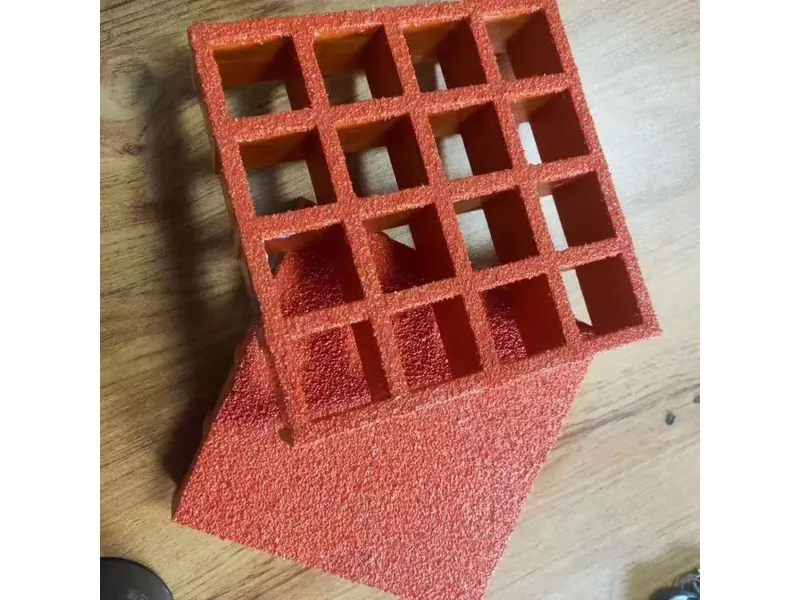
Our pultruded grating and profile samples. Resin type is confirmed in the specification.
Quick comparison
FRP Grating Resin Types Compared
Use this comparison to shortlist a candidate. The resin grade, formulation and finished grating still have to match the project.
| Resin Family | Selection Notes |
|---|---|
| Unsaturated polyester | A starting point for general access and suitable water or chemical duties. Compare the actual polyester grade, exposure and required formulation; general purpose describes a use, while orthophthalic and isophthalic describe chemistry. |
| Vinyl ester | A candidate for demanding chemical exposure, including our wastewater and marine supply. Check the specific chemicals, concentration, temperature and contact duration against the chosen grade and product configuration. |
| Epoxy | We consider epoxy for pultruded grating with high-corrosion requirements. Review it against the actual medium and available configuration; keep this resin system separate from epoxy-based vinyl ester in the specification. |
| Phenolic | A candidate where fire and smoke requirements govern selection, including offshore applications. Confirm the required tests and acceptance criteria for the grating assembly, together with chemical exposure and structural requirements. |
What Does Resin Do in FRP Grating?
FRP grating combines glass fiber reinforcement with a cured thermosetting resin. The resin binds the fibers, transfers stresses between them and helps protect the reinforcement from the environment. Its chemistry, formulation and cure influence how the finished grating performs in chemical exposure and heat.
Resin selection therefore belongs alongside the structural review. A change in resin can affect the applicable performance data even when the panel thickness and mesh stay the same. FRP, fiberglass and GRP grating use different regional names for the same broad material category in this guide.
Prepared by Dengtai Industry for buyers specifying our molded and pultruded grating.
Use these sections to narrow the selection:
- Understand resin names and polyester subtypes.
- Compare polyester, vinyl ester and epoxy.
- Describe the full operating exposure.
- Check fire, smoke and additional requirements.
- Apply our factory experience and compare quotations.
- Prepare your resin selection brief.
Understand Resin Families, Grades and Formulations
A family identifies the broad chemistry, such as polyester or vinyl ester. A grade identifies a specific resin product within that family. A formulation describes the system used to make the grating, including the required fillers, pigments and functional additives. These details belong together when comparing a quotation or checking a report.
Polyester Names You May See in a Specification
Unsaturated polyester includes different chemical subtypes. The description “general purpose” does not, by itself, tell you which subtype is being offered.
| Polyester description | How to use it in a grating enquiry |
|---|---|
| Orthophthalic, often shortened to ortho | A conventional polyester chemistry found in general-purpose systems. Check the grade for the stated exposure; the words ordinary or general purpose alone do not identify it as ortho. |
| Isophthalic, often shortened to iso | Grades are available for improved water and chemical resistance compared with conventional ortho systems. Confirm the actual grade and formulation; the subtype alone establishes neither compatibility nor fire performance. |
| Bisphenol-based or bisphenol-modified polyester | Used in specialized chemical-service formulations. Send the full description to check suitability and availability; bisphenol-based polyester and phenolic are different resin descriptions. |
These are terminology distinctions, rather than a list of interchangeable stock formulations. The order needs an agreed resin description for the selected molded panel or pultruded assembly.
Polyester vs Vinyl Ester Grating: How to Choose
Compare the exposure before comparing the resin price. Polyester is a practical starting point for suitable general-access duties. Vinyl ester is a candidate when the chemical exposure calls for a different level of resistance, but a family name alone cannot settle that question.
For a walkway mainly exposed to weather and washdown, first identify the cleaning agent and the actual water contact. For access beside a chemical process, include the process liquid, vapors, likely splashes and cleanup conditions. An intermittent splash that is removed promptly and prolonged contact with the same liquid require different compatibility checks.
Use three checks when deciding between polyester and vinyl ester:
- Match the duty. Compare grade information for the actual chemicals, concentration, temperatures and contact type. “Suitable for wastewater” is too broad to describe every dosing area, process tank and access route.
- Match the finished product. Confirm the structure, reinforcement, surface and cure associated with the supporting data. Two panels of the same dimensions may use different formulations and need different performance evidence.
- Compare equivalent quotations. Keep the dimensions, surface, fabrication and required documents consistent, so a change of resin is visible in the offer.
Our approach is to choose a suitable formulation for each duty. A documented polyester option can be appropriate where a generic claim that vinyl ester is “premium” adds little useful information. Equally, a lower purchase price is poor value if the offered formulation does not suit the process conditions.
Where Epoxy Fits, and Why the Name Matters
In our pultruded grating selection, high-corrosion requirements are a reason to consider epoxy. We review the actual chemicals and configuration before confirming that direction. It is not a universal ranking in which epoxy always outperforms vinyl ester.
Keep epoxy and epoxy-based vinyl ester distinct. For example, Scott Bader describes Crystic VE671 as a bisphenol A epoxy-based vinyl ester. The full description still identifies a vinyl ester resin. We discuss epoxy and vinyl ester separately in our quotations; this reference explains the terminology and does not identify the resin supplier or grade used in our products.
A specification containing only “epoxy resin” or “bisphenol resin” may therefore need clarification. Send its full material description or data sheet before accepting a substitution.
Match the Resin to the Full Operating Exposure
Build the exposure description around normal operation, cleaning and foreseeable abnormal contact. The most demanding condition may occur during cleaning or a spill rather than during everyday use. Keeping these conditions separate helps avoid both an unsuitable selection and an unnecessarily demanding specification for the entire site.
| Exposure to describe | Information that makes the review useful |
|---|---|
| Normal operation | Chemical or process-stream names, mixture composition where known, concentration and units, operating temperature, and splash, vapor, condensation or immersion. |
| Cleaning and maintenance | Cleaning chemicals and dilution, temperature, frequency, contact duration and rinsing method. Include hot cleaning even if normal operation is cool. |
| Spill or abnormal contact | The substance, likely concentration and temperature, possible contact duration, and how it can be removed. Identify uncertainties rather than treating a spill as harmless because it is infrequent. |
Give acid or alkali names and concentrations alongside any pH value. pH alone does not describe the complete chemical mixture, and reviewing separate ingredients does not automatically establish the behavior of their mixture. Where composition is uncertain, share the available process specification or safety data and state what remains unknown.
For temperature, record the normal value, peak value, how long the peak lasts and whether the grating remains loaded. A resin’s heat deflection temperature is a short-term material test value; it is not the continuous operating temperature of the finished grating in a chemical environment. The temperature and creep guide covers that structural interaction in more detail.
For a plant with several process areas, prepare a short exposure record for each area. A general access route and a chemical dosing zone can then be reviewed individually, while common dimensions or fabrication details remain coordinated.
Check Fire, Smoke, UV and Electrical Requirements
Fire Retardancy and Low Smoke Are Separate Questions
Phenolic is a candidate when fire and smoke requirements govern the selection. Polyester and vinyl ester also have fire-retardant formulations. The useful question is which finished product and formulation have evidence for the required performance.
Separate the acceptance requirements for flame spread, smoke generation, smoke toxicity and structural performance during fire. A result for one does not establish the others. Provide the test method, target classification and installation or assembly conditions specified by the project, so the available report scope can be reviewed before ordering.
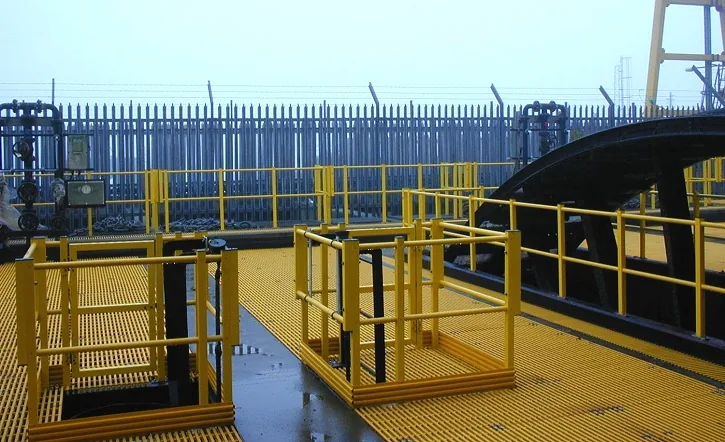
For offshore access, chemical exposure and fire requirements need to be considered together. Selecting a fire-oriented resin does not finish the corrosion review, and selecting for seawater contact does not establish fire performance.
Outdoor Exposure, Conductivity and Special Contact Requirements
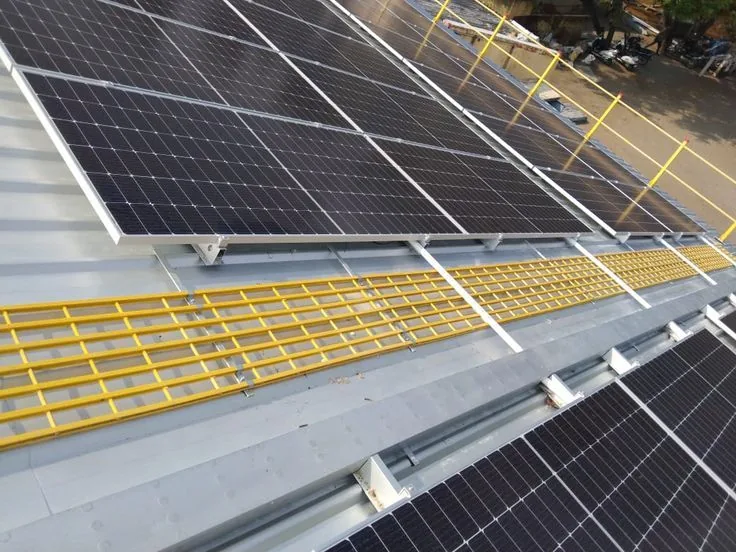
Outdoor service may call for UV inhibitors or a protective treatment. Agree the required formulation and finish; a color choice alone establishes neither UV performance nor a service-life promise.
Electrical insulation and static dissipation are different requirements. Static-dissipative grating needs a specified resistance target, test method, continuous conductive path and the required earthing arrangement. A dark pigment does not prove that system works. Identify the requirement first, then review the formulation and installation together. See surfaces and treatments for the related choices.
If the project specifies drinking-water contact, food-contact suitability or another special approval, include the exact requirement in the brief. Such approval belongs to the applicable product and scope, rather than following automatically from a resin family. Any additional formulation or surface requirement also belongs in the chemical-compatibility review.
How We Apply Resin Selection in Our Factory Supply
Our starting directions below come from our supply experience. They help focus the enquiry; the actual order still combines the resin with the product configuration and project conditions.
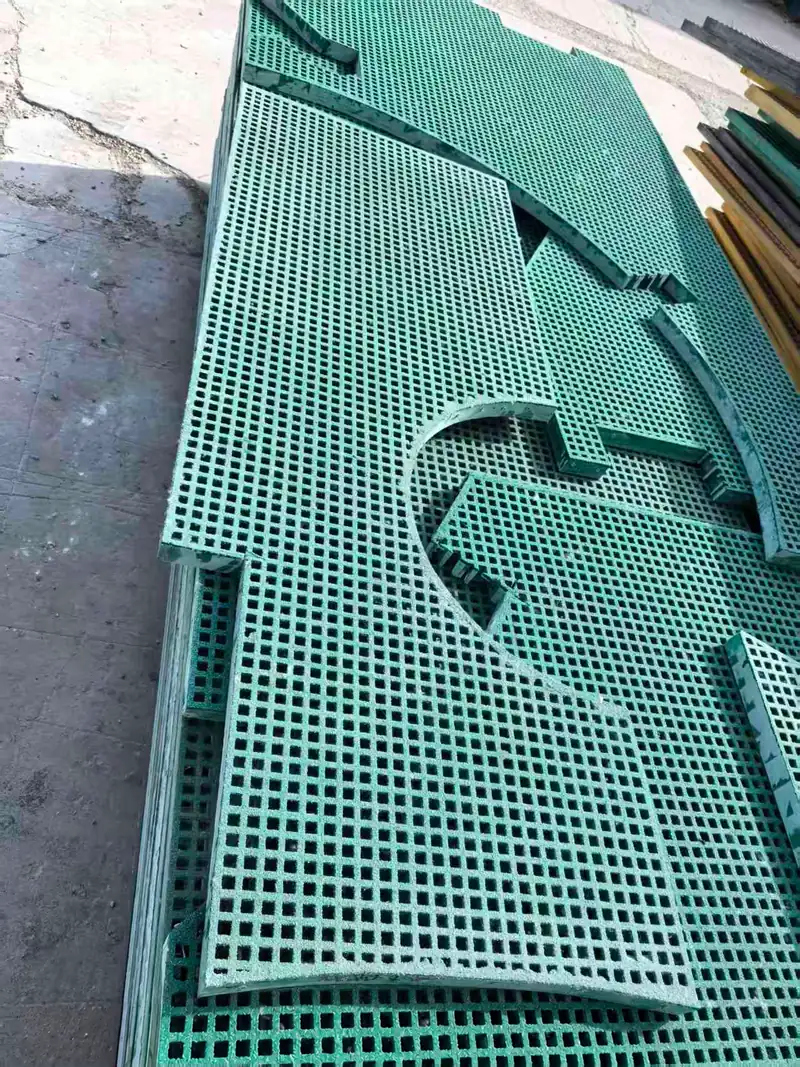
- Tree surrounds and construction pedestrian access: ordinary unsaturated polyester is our usual starting direction. Establish whether the location has process chemicals, aggressive cleaning or other requirements before carrying that choice across to an industrial platform.
- Wastewater treatment: vinyl ester is a direction we commonly use. Describe each process area and its cleaning chemicals so the review follows the actual exposure rather than the plant’s general name.
- Offshore and marine access: our usual directions include vinyl ester and phenolic. Review saltwater, fuels or process chemicals alongside the required fire, smoke and structural performance.
- Pultruded grating for high-corrosion duties: we also consider epoxy. Confirm its suitability for the specified medium, bearing-bar configuration and required documents.
The molded or pultruded structure, support layout and load case remain part of the selection. Choosing a resin does not establish a load rating. Sustained loading, heat, chemical exposure and maintenance also influence service life, so a resin name alone cannot provide a reliable number of years. See maintenance and service life for the wider considerations.
Why Different Resins Change the Quotation
The resin grade and formulation affect the price, together with the reinforcement, panel structure, surface, fabrication and documentation scope. Compare these items on the same basis when assessing a proposed change of resin.
We quote the required resin and configuration for the enquiry. There is no fixed percentage uplift that accurately represents every change from polyester to vinyl ester, epoxy or phenolic. The molded grating pricing page explains the scope of the published reference prices; other resin configurations need their own quotation.
What to Confirm Before Production
Record the agreed resin description, product configuration, exposure and additional requirements in the quotation or order specification. If the project already names a grade, send that requirement at the start so availability or any proposed alternative can be addressed explicitly.
Check what the supporting document actually covers: a resin-grade guide, a laminate or sample test, or a finished-grating report. Each supports a different scope. Required third-party tests and acceptance documents should be agreed before production. Our chemical resistance guide explains how to read that evidence without transferring another manufacturer’s ratings to the supplied grating.
Prepare Your FRP Grating Resin Selection Brief
Copy these points into your enquiry or use the form below. Mark unresolved items unknown; an existing specification is also a useful starting point.
- Product and location: molded or pultruded, panel or cut pieces, process area, and drawing if available.
- Chemicals: individual substances or mixture, concentration with units, and available composition information.
- Temperatures: normal and peak values, units and peak duration.
- Contact: splash, spillage, vapor, condensation or immersion; frequency, duration and cleanup arrangements.
- Cleaning: agent, dilution, temperature, frequency and rinsing.
- Other performance requirements: fire and smoke tests, UV, electrical properties or special contact approvals, including the specified targets.
- Structure and supply scope: thickness, mesh or bar profile, clear span and loading where known, surface, cutouts, quantity and destination.
- Existing material requirements and evidence: named resin or grade, proposed substitution, and the documents needed for acceptance.
Use Project Notes for longer process descriptions or attach the existing specification with the drawing. The next useful step is to identify a candidate and the unresolved checks for that particular configuration.
Technical Sources Behind This Guide
The following manufacturer sources inform the terminology and review approach:
- Scott Bader’s Crystic VE671 description illustrates epoxy-based vinyl ester naming.
- Grating Pacific’s resin systems show how named polyester and vinyl ester formulations have distinct product-specific descriptions and performance information.
- Strongwell’s technical product questions distinguish resin choices and the need to confirm availability for the relevant product.
- Webforge’s environmental considerations explain the role and limitations of resin-manufacturer corrosion guidance.
These sources describe their manufacturers’ materials and products. Their ratings and approvals are not specifications or test results for Dengtai grating.
FRP Grating Resin Selection Questions
Which resin is best for FRP grating?
Is vinyl ester always better than polyester grating?
Are epoxy and epoxy vinyl ester the same resin?
Does a coastal walkway always need vinyl ester grating?
Does phenolic grating automatically meet a fire specification?
Can I change the resin without changing the grating specification?
Review your requirements
Send Your Resin Selection Brief
Open More specifications to add the chemistry and exposure details. Send what you know, including an existing specification; leave unresolved values marked unknown.
- Send the process area and cleaning conditions together
- Include an existing resin grade or project specification if available
- Mark unknown values so they can be identified during review
Content last checked: