Cut-to-size purchasing guide
Full Panels or Cut Pieces: Comparing Molded Grating Quotes
A full-panel quote and a factory-cut quote can describe the same finished platform at different stages. Compare them on the same product row, finished sizes, openings, edge treatment, tolerances, packing and site work rather than one area rate alone.
Prepared by
Dengtai Industry
Published
·
Reviewed

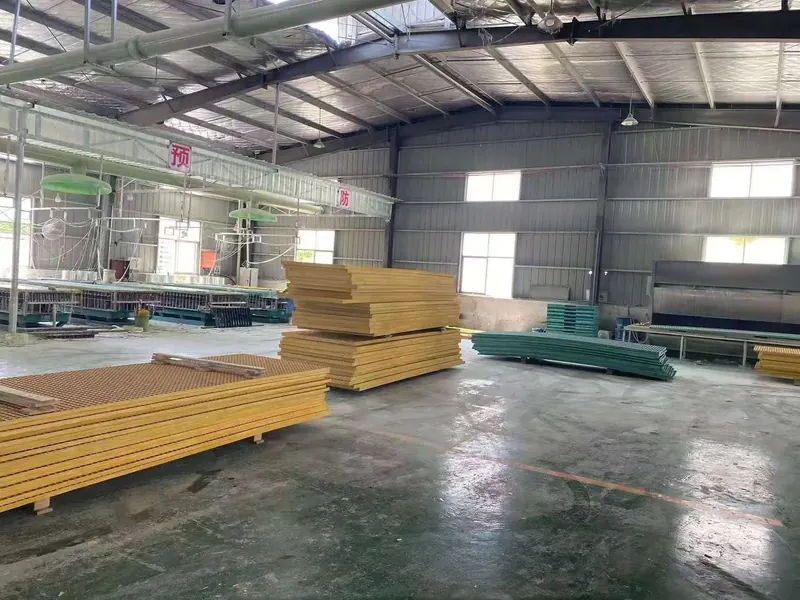
Factory-cut pieces from our works. The quotation links each piece to the finished dimensions and drawing revision. Photo: Dengtai Industry.
Commercial definitions
Panel Area, Finished Pieces and Fabrication Scope
These terms keep the same job comparable across two purchasing routes.
- Full-panel purchase
- Supply of one or more complete source panels. Cutting, openings, local fitting and edge treatment may be performed by the buyer or another fabricator after delivery.
- Factory-cut supply
- Supply of finished pieces cut from selected panels according to an approved cut list or drawing. The quotation may include cutting, openings, edge treatment and piece marks.
- Source-panel area
- The full area of the molded panels consumed to produce the order. It may be larger than the finished-piece area because of trim, kerf, orientation and unusable offcuts.
- Finished-piece area
- The sum of the delivered piece rectangles after cutting. It is useful for installed coverage but does not by itself show how much source stock was consumed.
- Cutting loss
- Material removed by kerf, edge trim, damaged margins, awkward nesting and offcuts. The commercial treatment of this loss belongs in the quotation.
- Fabrication scope
- The cutting, drilling, shaping, edge sealing, marking, inspection and packing included with the delivered pieces. Each operation should be stated or excluded explicitly.
Same-job comparison
Full Panels and Factory-Cut Molded Grating Compared
The difference is not only who cuts the panel; it is where measurement, fabrication, loss and verification sit.
Swipe horizontally to view all columns.
| Comparison point | Full panels | Factory-cut pieces |
|---|---|---|
| What is quoted | Complete source panels, normally by configuration and area. | Finished pieces based on a drawing, quantities and nesting. |
| Who cuts | Buyer, installer or local fabricator. | Our factory, followed by the stated inspection and packing. |
| Drawing need | Panel size and material schedule may be enough for supply. | Finished dimensions, openings, orientation, tolerances and revision are required before cutting. |
| Edge sealing | May be site-applied or ordered as a separate service where available. | Can be included for cut edges when stated in the quotation. |
| Fit adjustments | Easier to change field dimensions, but site measurement and approval remain the buyer’s scope. | Requires earlier freezing of dimensions; a later change can alter nesting and price. |
| Material loss | Offcuts remain with the buyer and may be useful or waste. | Nesting loss is quoted through the delivered-area or source-area basis. |
| Site work | Cutting, drilling, edge treatment and handling may add labour and controls. | Reduced site fabrication, with more logistics and drawing coordination. |
| Traceability | Panel identity is generally accessible; piece identity is created locally. | Piece marks can connect the delivered item to its approved drawing. |
Procurement route
When to Buy Full Panels or Factory-Cut Pieces
Choose from site capability, drawing maturity, handling constraints and the quotation boundary.
Specify this if…
- Choose full panels when local fabrication is controlled, the layout is still flexible and site cutting is accepted.
- Choose factory-cut pieces when finished dimensions are fixed and factory cutting, edge treatment and piece marks reduce site risk.
- Choose either route only after comparing the same grating row, mesh, resin, surface, finished sizes and delivery term.
Look elsewhere if…
- A full-panel or cut-piece total is being compared with a different resin, surface, mesh, thickness or quality scope.
- The cut-piece enquiry has no drawing revision, quantity or orientation information.
- The full-panel buyer has not allowed for local cutting, edge sealing, dust control, labour and waste.
- A low area price hides an additional cutting charge, minimum, packing cost or delivery difference.
- A later dimensional change is expected but the effect on the finished-piece quotation has not been checked.
Price basis
How to Build a Fair Cut-to-Size Price Comparison
Three controls prevent a low panel rate from being mistaken for a lower finished cost.
Same product first
Depth, pitch, resin, surface and source-panel format are held constant before comparing full-panel and cut-piece prices. Otherwise the cheaper option may simply be a different product.
Same finished pieces
Both offers are evaluated against the same finished sizes, openings, quantities, tolerances, edge treatment and orientation. Source-panel area alone does not describe the job.
Same commercial boundary
Cutting, holes, sealing, inspection, piece marks, packing, trade term and transport are listed as included, excluded or separately quoted.
We quote the finished-piece basis when you send a dimensioned cut list, and show the source-panel area plus the cutting, treatment and packing scope in the quotation.
Full panels and factory-cut pieces should be compared on the same finished job. The full-panel route may remove the factory cutting charge but keeps or shifts the cutting, edge treatment, fitting and waste work to the buyer. The factory-cut route may reduce site work but requires a complete drawing and normally reflects nesting and material loss in the price. The factory-cut versus site-cut comparison extends the same logic to installation labor, access, control measures and schedule. Use the production piece-list guide when the finished schedule is not yet buildable.
The useful comparison is therefore not “panel rate versus cutting rate.” It is the delivered cost of the same product configuration, finished pieces, edge condition, quantity, inspection and delivery scope.

What the Full-Panel Price Includes
A full molded panel is normally priced by the selected product row and area. Our published reference prices are tied to a named economical polyester formulation and plain-panel scope. They do not automatically include project cutting, openings, edge sealing, clips, packing or freight. When fixings are part of the comparison, use the grating clip quotation guide to check the piece, assembly and packing basis.
That is not a hidden cost; it is a boundary. The buyer receiving full panels must confirm:
- who measures and approves the finished pieces;
- who cuts and drills the grating;
- how cut edges and openings are treated;
- how the cutting layout uses the source panels;
- what happens to offcuts;
- how dust, handling and site safety are controlled;
- who checks the final dimensions and piece identity.
If those activities are already available in a controlled shop, full panels can be a practical route. If they are improvised on site, the lowest panel rate may not be the lowest installed cost.
What the Factory-Cut Price Includes
Factory-cut pieces start with the same source panel but add work and information:
- cutting according to the approved schedule;
- openings, notches or drilling where requested;
- cut-edge treatment where specified;
- piece marking and packing;
- dimensional and appearance checks defined in the order.
The cost may depend on how the pieces nest, the number of different sizes, orientation restrictions, narrow strips, openings, tolerances and packing. A large number of individually marked pieces takes more control than a few repeated rectangles.
The quotation should still say what is excluded. A cut-piece price without the source-area basis, edge-treatment scope and packaging term is not a complete comparison.
Same Product Configuration
Hold the molded row constant before comparing:
- depth;
- pitch and mesh structure;
- bar geometry;
- resin system;
- surface and color;
- panel format.
A full-panel offer at a lower depth or cheaper resin is a different product. A factory-cut offer with a different surface or tolerance is a different finished scope.
Our molded grating depth guide and surface guide explain the configuration fields that must stay fixed.
Same Finished Pieces
The comparison should use one piece list:
- piece mark;
- finished length and width;
- quantity;
- orientation;
- opening positions;
- edge treatment;
- allowed tolerance;
- packing identification.
A source panel that looks large enough for the sum of piece areas may still require more panels because of mesh alignment, bar direction, trim allowance or opening positions.
This is especially relevant to cut-to-size work. A 1220 × 3660 mm panel has 4.4652 m², but the finished pieces plus cutting loss are not guaranteed to fit within that area. The grating panel buying guide covers the full schedule logic.
A Worked Area Comparison
Consider nine finished pieces, each 400 × 1200 mm:
9 × 0.400 × 1.200 = 4.32 m²
One nominal 1220 × 3660 mm panel has:
1.220 × 3.660 = 4.4652 m²
The arithmetic leaves 0.1452 m², but that does not prove a production layout. Saw kerf, edge trim, opening positions, complete-bar rules and orientation can change the nesting.
This is why a cut-to-size quote cannot be checked from finished area alone. Ask how the pieces nest and whether the quoted area is source-panel area, finished-piece area or a combination.
Compare the Real Cost Boundary
Build two columns with the same rows:
| Cost or responsibility | Full panels | Factory-cut pieces |
|---|---|---|
| Grating product area | Source-panel area | Source-panel area |
| Cutting | Buyer/site cost | Quoted if included |
| Openings and drilling | Buyer/site cost | Quoted if included |
| Edge sealing | Buyer/site or separate | Quoted if included |
| Piece marks | Buyer/fabricator | Factory where ordered |
| Inspection | Receiving check or local process | Order-specified check |
| Packing and freight | State the term | State the term |
| Site labour | Buyer’s scope | Usually lower, but verify |
| Material leftovers | Stay with buyer | Managed in nesting scope |
The full-panel route may still be better when the buyer values the leftovers, has accurate field measurements and possesses controlled cutting equipment.
When Full Panels Make Sense
Full panels are a practical starting point when:
- the buyer has a fabrication shop and competent cutting method;
- the final dimensions will be set on site after checking the frame;
- standard panels can be combined efficiently;
- the buyer can control dust, handling and edge treatment;
- the buyer can use or sell the offcuts;
- the order can tolerate local fabrication time.
This route is also useful when the project changes frequently. The buyer can hold source panels and cut the final pieces later, provided the selected panel is still correct for the support and load.
When Factory-Cut Pieces Make Sense
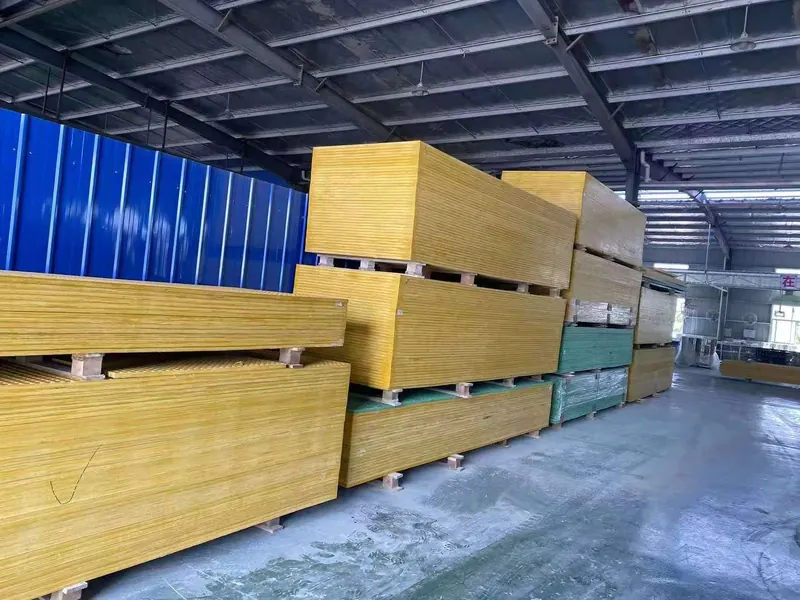
Factory cutting is usually considered when:
- the drawing is mature and dimensions are fixed;
- many repeated pieces or shaped openings are required;
- uniform edges and piece identification matter;
- site cutting access or dust control is difficult;
- the installer needs ready-to-fit pieces;
- the buyer wants the delivered set inspected against the same revision.
A factory-cut order also makes it easier to link the product row, material batch, cutting and final piece mark when the order documents are controlled.
How Cutting Affects Price
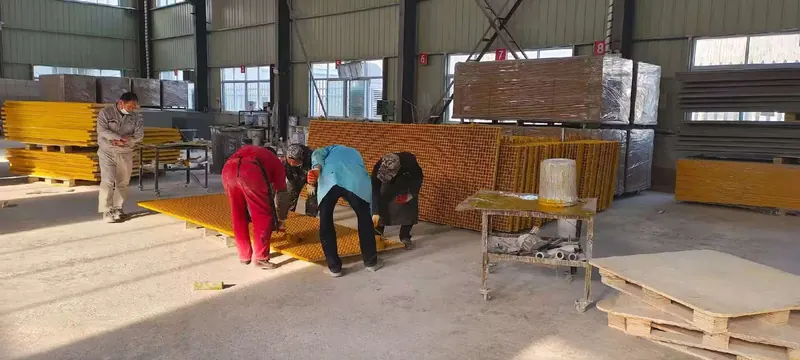
There is no meaningful universal “cost per cut.” Cutting cost is affected by:
- source-panel area;
- nesting efficiency;
- number of different piece marks;
- straight cuts versus curves and notches;
- openings and drilling;
- tolerance requirements;
- edge treatment;
- handling and stacking;
- inspection and piece marking;
- packing arrangement.
A simple repeated rectangle order can be efficient. A schedule with many shapes and narrow remnants can consume more time and material even when the finished area is identical.
Edge Treatment Is Separate From Cutting
A cut edge exposes the composite section. Sealing can protect that edge when specified, but it does not restore the structural contribution of a bar that was removed or reconnect a severed grid path.
The quotation should say:
- whether edges are sealed;
- which edges are included;
- what material and method are used;
- whether the edge is also required for appearance.
The cutting and sealing guide explains the fabrication sequence; molded grating cutouts explains openings and support.

Piece Marks Reduce Installation Errors
Factory cutting can create similar-looking pieces with different:
- LWO or mesh orientation;
- top face;
- opening positions;
- edge treatment;
- quantities.
A piece mark makes the delivered item traceable to the drawing. Packing labels and the packing list should use the same identifiers.
If the project does not require marking, say so. Do not imply that every cut piece will carry an identifier when the order scope does not include it.
A Practical Comparison Procedure
- Freeze the panel configuration.
- Send one finished-piece schedule.
- Prepare one full-panel option and one factory-cut option.
- Convert both to the same commercial terms.
- Add local cutting and edge work to the full-panel option.
- Add factory cutting, marking and packing to the cut-piece option.
- Compare delivery time, quality control and site constraints.
- Record the assumptions that could still change the price.
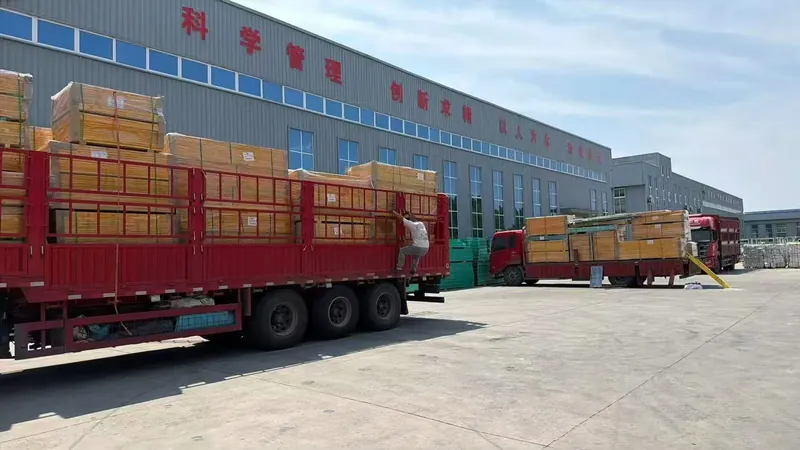
The result is a procurement decision based on the complete responsibility boundary.
How We Quote a Cut-to-Size Order
Our factory quotation starts with:
- the molded panel row;
- finished sizes and quantities;
- drawing revision;
- material yield and nesting;
- openings and edge treatment;
- piece marks and packing.
The quotation identifies the delivered-piece basis and the source-panel assumptions. If the customer later changes dimensions, orientation or quantities, we review the nesting and price again rather than treating the original cut price as unchanged.
Before production, the molded grating support-layout guide should confirm where the finished pieces bear and whether any joint or free edge changes the panel split. A physical sample can still help the buyer approve visible mesh and finish, but the sample guide explains why appearance approval is not a load or chemical test.
The released quotation should then flow into the fabrication record guide: one configuration, drawing revision, nesting plan, piece mark and packing list for the pieces actually being made.
Can You Combine Full Panels and Cut Pieces?
Yes. A single order can combine factory-cut pieces for dimensions that are already fixed with full panels for later field fitting or for strips the installer can cut under controlled conditions.
That hybrid route works best when:
- both parts of the order use the same grating row, mesh, resin, surface and color basis;
- the cut pieces are taken from a released piece schedule rather than an assumed site measurement;
- full panels are reserved for clearly identified field-close strips or future work;
- factory-cut pieces and source panels are marked separately;
- the packing plan keeps released pieces and field-cut stock identifiable.
Do not use an extra full panel as a substitute for finishing a cut schedule that has not been checked. If the later trim requires a different mesh, top face or color batch, the “spare” panel may not solve the real specification problem. Review the molded grating product range before mixing product rows in one delivery.
Compare Lead Time and Quote Validity, Not Only Price
The commercial comparison should also record when each offer becomes usable on site. A lower price is not equivalent if its drawing approval, production release, packing or transport timing no longer matches the installation sequence.
Ask both offers to state:
- the drawing revision and open technical inputs;
- when production starts and which approval triggers it;
- the quoted packing and delivery term;
- the quote validity and currency basis;
- the required-on-site date and who owns delays before or after dispatch;
- what documentation is issued before and after shipment.
The pricing guide explains how the factory reference price differs from a project quote. Bringing lead time, validity and responsibility into the same comparison prevents a low unit rate from being confused with the best-delivered option.
Frequently Missed Costs
The most common omissions in a full-panel versus cut-piece comparison are:
- site cutting labour;
- blades and cutting equipment;
- edge-sealing material;
- delivery handling and lifting;
- opening layout;
- damaged or unusable offcuts;
- additional packing for finished pieces;
- rework after a dimensional change.
These costs are not automatically higher for either route. The point is to place them in the correct quote column.
The Manufacturer Rule for a Fair Grating Quote
Compare finished work, not purchase units. A full-panel price and a cut-piece price answer different questions until the same finished schedule and scope are attached.
Start with the drawing, choose the panel status and include every operation in the column where it belongs. The route with the clearer total responsibility is usually easier to buy safely.
Quote review
From a Finished-Piece List to a Comparable Quote
Our process keeps the product, source panel and delivered pieces connected.
The comparison starts with one depth, pitch, resin, surface and panel format.
Piece marks, quantities, dimensions, openings and orientation are checked before either route is priced.
Source-panel area, finished-piece area and cutting loss are calculated from the actual layout.
Cutting, drilling, edge sealing, inspection, piece marks and packing are included or excluded explicitly.
The full-panel route receives local cutting and fitting cost; the cut-piece route receives delivery and site-fit assumptions.
Product, finished pieces, documents, packing, freight and commercial terms are compared on the same basis.
Factory fabrication
Where the Factory Adds Value to a Cut-Piece Order
The advantage is controlled fabrication and identification, not an assumption that factory cutting eliminates cost.

Cutting loss is visible
We do not price a finished-piece area and imply that every square metre of the source panel becomes delivered product.
Pieces are fabricated to a revision
A cut-piece order follows the approved dimensions and opening positions; later changes are treated as a revised fabrication scope.
Edge treatment is explicit
Cutting and edge sealing are separate operations. Sealing protects a cut edge but does not restore removed structure.
Factory marks support dispatch
Where ordered, piece identification connects the packed item to the approved drawing and packing list.
Packing is not panel area
Finished pieces can require different protection and packing from source panels, and the quotation states that scope.
Full panels remain a valid route
Buyers with controlled fabrication can choose source panels; we make the location of cutting and approval responsibility clear.
RFQ checklist
What to Send for a Molded Grating Cut-to-Size Quote
A dimensioned drawing or cut list is more valuable than a single area quantity.
- Product configuration — Depth, pitch, resin, surface and full-panel format.
- Finished piece schedule — Piece mark, quantity, length, width and tolerance.
- Drawing revision — The exact revision to be quoted and approved.
- Openings and edge treatment — Cut-outs, drilled holes, edge sealing, orientation and top-face requirements.
- Area basis — Source-panel area, finished-piece area or an existing offer to compare.
- Packing and marking — Piece labels, bundle limits, pallet requirements and protection.
- Delivery term — EXW, FOB or delivered scope, named port or destination and freight responsibility.
- Decision constraints — Site fabrication capability, handling method and latest acceptable dispatch date.
Request a quote
Send a Panel Schedule or Finished Cut List
State whether you want full panels, finished pieces or a comparison of both.
- Same-job cost comparison
- Nesting and cut loss visible
- Piece marks and packing stated
Full-Panel vs Cut-Piece Grating Questions
Is factory cutting cheaper than buying full panels?
How is molded grating cut-to-size work priced?
Can I compare a full-panel square-metre rate directly with a finished-piece rate?
Does the finished-piece area show how many source panels are required?
Does factory cutting include sealing the edges?
Can I order full panels and cut them on site?
Can one order include full panels and factory-cut pieces?
What commercial details belong beside the price?
This content was prepared and reviewed by Dengtai Industry’s technical and production team using the project conditions, available product data and applicable documents. Limits that require design, testing or approval are identified in the content. Content last checked: