Repeat-order appearance control
FRP Grating Color Matching for Repeat Orders
A repeat order needs more than the old color name. Match the actual product construction, retained physical sample, current panel condition and surface texture. Approve color and texture under stated lighting, then carry the decision into the new batch records.
Prepared by
Dengtai Industry
Published
·
Reviewed

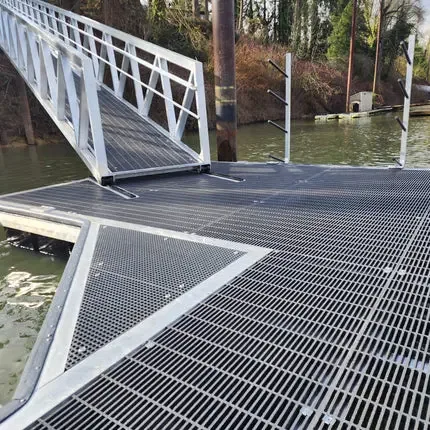
The repeat standard should identify product, surface and batch appearance together. Photo: Dengtai Industry.
The Short Answer: Retain the Sample, Not Only the Color Name
The reliable starting point for a repeat order is a physical coupon from the approved first batch, kept with an order record that identifies the product construction, resin, surface and color reference. A color name typed into a new email does not preserve how the panel actually looked.
The second question is the reference condition. Is the new order intended to match:
- the original dispatch color;
- the current appearance after cleaning and exposure; or
- a new specified color for the next phase?
Those targets can lead to different answers. A faded installed panel is not automatically the original standard.

Retain a Control Coupon and a Comparison Coupon
The strongest record uses two physical references. The control coupon comes from the approved production batch and stays sealed, clean and protected from light. The comparison coupon is available for handling during the repeat-order review. If the project is matching an installed surface, use a separate cleaned coupon or a documented section of the existing panel.
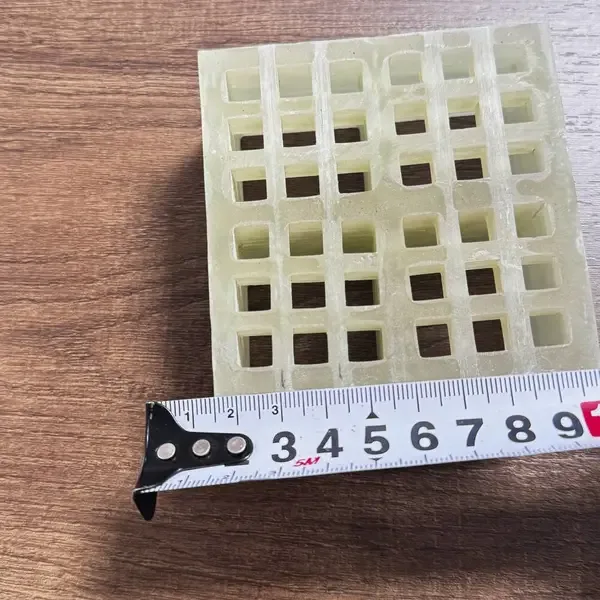
The coupon should be large enough to show the actual mesh, bar orientation and surface texture, not only a small patch of color. It does not need an arbitrary universal size. Label both references with the same product construction, resin, color reference, surface process, batch or order identity, approval date and intended visible face.
Keep the control coupon with the maintenance and purchasing records. Do not leave it on a sunlit shelf, use it as a general sample, or replace it with an undated offcut. If the original coupon is lost, a photograph can preserve context but cannot become a new physical master.
A Color Name Leaves Out the Product
FRP grating appearance depends on more than the pigment:
- molded or pultruded construction;
- bar, mesh and depth geometry;
- concave, gritted, inlaid-grit, milled or covered surface;
- resin color and opacity;
- visible face and light direction; and
- surface wear and cleaning.
Two panels with the same nominal color can look different because one is a gritted molded panel and the other is a pultruded bearing-bar assembly. A flat color chip cannot approve the whole visible construction.
The Fiberline product-sample page demonstrates the useful principle that a physical sample lets a buyer inspect the material and product family. The sample still needs to be connected to the actual repeat-order construction.
Decide Which Appearance You Are Matching
An installed panel may have collected dirt, chalked, changed color in sunlight or worn at the walking surface. Cleaning may improve it, but it does not necessarily restore the original resin and pigment appearance.
Record the current condition before sending a photo:
- clean a small representative area using the approved method;
- photograph it in shade and direct light;
- note chalking, stains, wear, repairs and different exposure directions;
- compare it with the retained coupon if available; and
- state whether the intent is to match the cleaned current panel or the original dispatch.
The outdoor UV and color guide explains why sunlight and chalking require separate evidence. A repeat color approval is an appearance standard, not a UV test.
Approve Color and Texture Separately
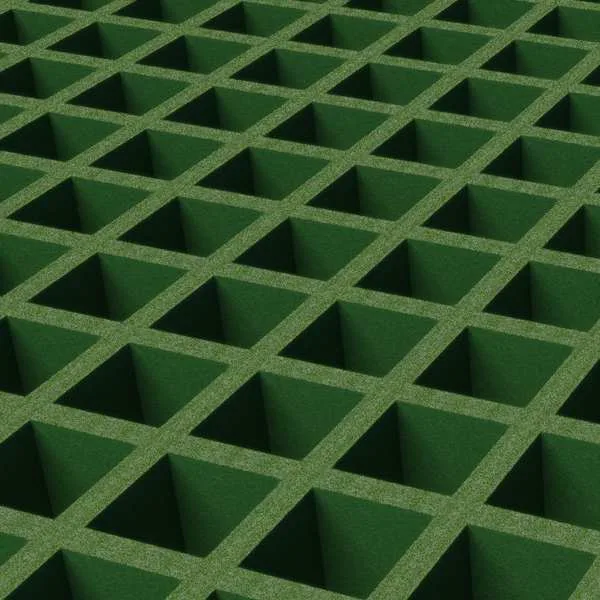
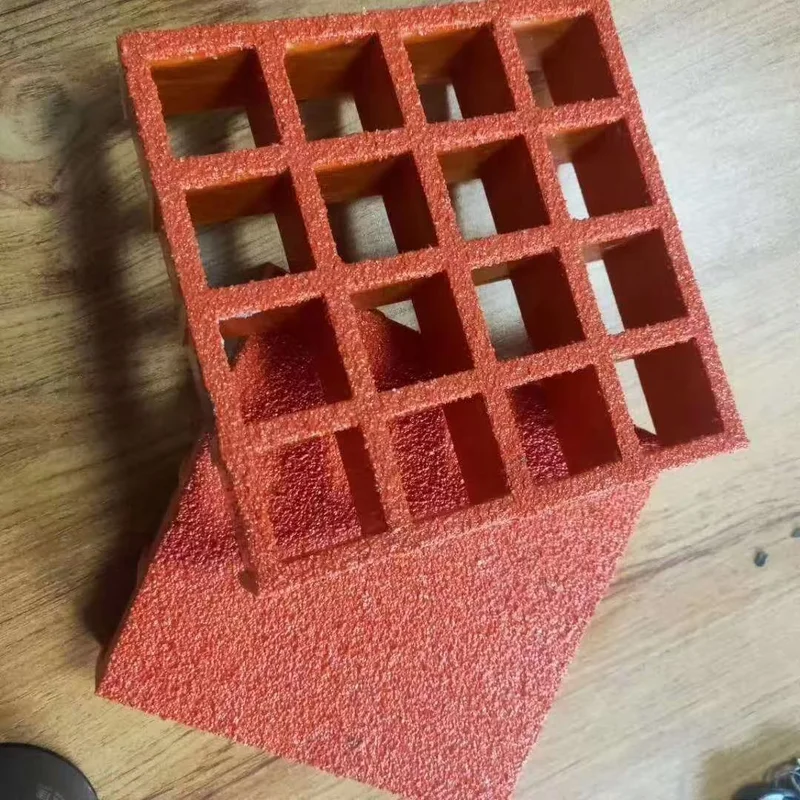
Texture changes reflections and shadow. A green concave surface, green gritted surface and green covered panel can look different even when the resin color target is similar. Grit size and coverage add another variable. The surface can also change the cleaning and wear history of the installed panel.
Use a sample from the same product and surface process. State what is being approved:
- base color;
- visible top texture;
- grit size and coverage;
- gloss or reflection;
- edge color; and
- acceptable batch variation.
If a measured color method is required, define the instrument, illumination, observer, specimen preparation and acceptance limit. Do not publish a generic ΔE tolerance as if every project and surface accepts the same value.
Record Lighting Before Comparing
Two samples can look matched in a warm indoor office and different at a north-facing window. Record the viewing condition:
- daylight or controlled light;
- direction and distance;
- neutral background;
- dry or wet surface;
- flat coupon or full panel; and
- observer or instrument method.
The GratingFRP color-options page correctly notes that screen displays vary and a physical sample is the reliable approval route. The project should also retain the sample under controlled storage.
Control the Repeat Batch
The new order should repeat the product configuration, not only the visible color:
- grating family and depth;
- mesh or bearing-bar pattern;
- resin system;
- surface process;
- color reference or approved sample;
- visible face and edge treatment; and
- required packing marks.
Ask for a production sample when appearance is critical or when the new panels will sit beside old ones. Record the sample result before dispatch. A production coupon is more useful than a promise that the new batch “will be the same.”
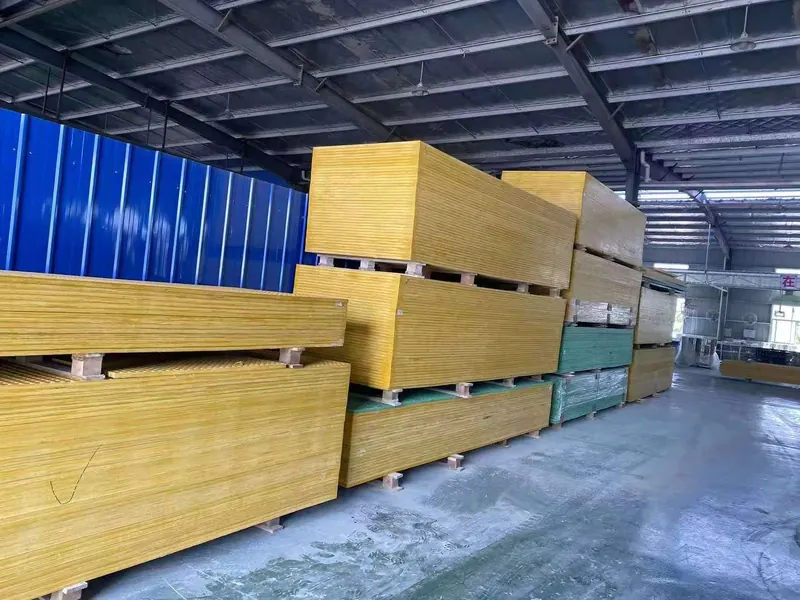
Plan the Transition at the Platform
Even an accepted close match can look different beside panels that have spent years outdoors. For a small repair, the new piece can stand out because of age rather than a production defect. A larger visual bay or a deliberate transition line may be more coherent than one isolated patch.
Use the same approach for a guardrail, stair landing or walkway extension. Appearance planning belongs to the layout, not only to the panel purchase order.
Our Factory View
We can retain a production coupon, identify the product and surface, pack the approved pieces with their marks and connect the repeat order to the original construction record. We can compare a new coupon with the supplied approved sample under an agreed viewing condition.
We do not promise that every batch will have zero visible difference, and we do not treat a photograph as a color master. The project’s accepted sample and stated appearance method determine the release.
Final Repeat-Order Rule
Match the complete construction, not the color word. Keep a physical coupon, record the current panel condition, state the lighting and acceptance method, and approve a production sample before dispatch when adjacent appearance matters.
Technical References and Limits
The Fiberline product-sample page and GratingFRP color-options page illustrate the industry use of physical samples, batch control and custom references. The Fibergrate color and surface product information illustrates how appearance is connected to product family and configuration.
Those pages provide comparison points, not a transferable color tolerance for every resin, surface or production process. The retained coupon and agreed acceptance record for the current order remain the controlling evidence.
Appearance vocabulary
Ten Terms That Make a Repeat Color Match Reviewable
Color, texture, sample, current condition and acceptance method must be recorded together.
- Appearance standard
- The approved physical sample and viewing conditions used to judge a new batch. It should identify construction, color, texture and visible face.
- Retained coupon
- A sample kept from the approved first order or approved production batch and protected from light and contamination for later comparison.
- Color reference
- A named standard, RAL reference or internal code. It is useful only when material, surface and viewing method are also defined.
- Batch
- A production group sharing resin, pigment and process conditions. Raw-material lots, color preparation and cure can vary between batches.
- Surface texture
- Concave, gritted, inlaid grit, milled or covered finish. Texture changes reflection, apparent shade, cleaning and the way the surface is perceived.
- Metamerism
- A condition where samples that appear matched under one light appear different under another. It is one reason to approve samples under agreed lighting.
- Current appearance
- The condition of an installed panel after cleaning, wear, UV exposure and contamination. It is not necessarily the original dispatch color.
- Visual acceptance
- A documented comparison between the retained sample and the new production sample under agreed light and viewing distance.
- Measured acceptance
- A color-instrument result using an agreed method, illumination, observer, specimen preparation and acceptance limit.
- Repeat-order record
- The retained coupon, construction data, pigment or color reference, batch identity, production sample, acceptance result and dispatch release.
Repeat-order references
What “Match the Color” Must Actually Mean
Decide whether the target is the original dispatch, current appearance or a new standard.
| Repeat-order question | Useful reference | What is not enough |
|---|---|---|
| Same nominal color | Approved sample plus pigment, resin and surface record | A color name typed into a new email |
| Same product appearance | Construction, depth, mesh or bar pattern and visible face | A flat color chip without texture |
| Match the installed panel | Cleaned current surface and lighting record | A faded, dirty or shadowed phone photograph |
| Match the original dispatch | Retained original coupon or color measurement | The aged panel alone |
| Surface consistency | Sample of the same concave, grit or covered process | “Same color” stated without the surface process |
| Batch acceptance | Production sample, signed condition and named method | Promise of absolute zero color difference |
Product appearance
How FRP Grating Construction Changes the Visible Match
The same nominal color can look different by product, surface and weathering condition.
| Product condition | What affects the match | Common wrong assumption |
|---|---|---|
| Molded grating | Resin color, integral mesh, visible top face and surface profile | The same color name produces the same installed appearance |
| Pultruded grating | Bearing-bar finish, assembled pattern, direction and pigment batch | A coupon from molded grating can approve the pultruded product |
| Concave surface | Curved reflections, light direction and pocket shadows | A flat color chip represents the finished grid |
| Gritted surface | Grit size, coverage, glare and cleaning history | Grit color and base color behave identically |
| Covered grating | Base panel, cover texture, edge and visible top layer | Matching the cover alone matches the whole assembly |
| Outdoor installed panel | Chalking, UV change, dirt, moisture and sun angle | The current site color is the original order standard |
Sample register
What an FRP Grating Repeat-Order Color Record Must Control
Ten fields preserve the physical and production evidence behind the match.
Swipe horizontally to view all columns.
| Record field | Required value | Why it matters |
|---|---|---|
| Product construction | Molded or pultruded, depth, mesh or bearing-bar configuration | Other constructions do not share one appearance standard |
| Resin and pigment | Grade, color reference and any approved formulation note | Identifies what the sample represents |
| Surface process | Concave, grit, inlaid grit, milled or covered | Texture changes the visible result |
| Sample identity | Photo, physical coupon, date and approver | Creates a retained reference |
| Existing condition | Clean, dry, aged, chalking or contaminated | Prevents a misleading current-site match |
| Lighting | Natural or controlled source, direction, distance and background | Supports a repeatable visual decision |
| Acceptance method | Visual or instrumented with a stated method and limit | Defines what “matched” means |
| Batch identity | Resin, pigment and production-lot references | Supports traceability |
| Production sample | Coupon from the new batch and its result | Verifies the repeat order before dispatch |
| Transition plan | New bay, isolated replacement or full visual area | Controls installation appearance |
Approval gates
When an FRP Grating Repeat Order Is Ready for Production
Release only when the reference, product, surface and acceptance method agree.
Specify this if…
- The original or approved physical coupon can be provided.
- The product construction and surface process are recorded.
- The project states whether it is matching dispatch appearance or current aged appearance.
- The existing panel can be cleaned and inspected.
- A visual or measured acceptance method is agreed.
- A production sample can be reviewed before dispatch if appearance is critical.
Look elsewhere if…
- The only reference is “make it the same yellow”.
- The current panel is dirty and its condition is unknown.
- A photo taken under mixed light is treated as a measurable color standard.
- Color is expected to control UV, slip or chemical performance.
- The surface texture is omitted from the repeat specification.
- The buyer expects zero batch difference without an agreed method.
Matching sequence
From Retained Coupon to Released Repeat-Order Batch
Recover the reference, inspect the condition and compare the new production sample.
Find the first order, retained coupon, construction and approved color or surface reference.
Record cleaning, sun exposure, chalking, wear, contamination and the visible position.
Decide whether the target is original appearance, current appearance or a new project color.
Match product type, surface and texture, not only the color chip.
Agree light, background, distance and observer or instrument method.
Compare a new-batch coupon with the retained reference and record the result.
Sample checklist
What to Send for an FRP Grating Color Match
Eleven records make a repeat appearance request reviewable.
- Original order — Order or invoice reference, date and first-order product schedule.
- Retained sample — Sealed control coupon, storage condition, photograph and approval date.
- Comparison coupon — Separate handling coupon or documented installed-panel coupon for the current review.
- Product construction — Molded or pultruded, depth, mesh or bar pattern and visible face.
- Resin and surface — Resin family, color reference, concave or grit process and coating.
- Current condition — Cleaned or aged, chalking, wear, contamination and exposure.
- Lighting — Daylight or controlled light, direction, background and viewing distance.
- Acceptance method — Visual or measured method, observer and allowed difference.
- Batch record — Pigment, resin and production-lot references for the new batch.
- Production sample — Coupon from the repeat batch and documented result.
- Installation transition — Patch, bay, adjacent run or complete visible-area replacement strategy.
Appearance schedule
What the Repeat-Order Color and Texture Detail Should State
A product, surface and sample reference needs a stated acceptance condition.
Request a Project Quote| Specification | Value |
|---|---|
| Color reference | RAL, project code or approved sample The sample and lighting condition must also be identified. |
| Product construction | Same product and visible face A molded coupon does not approve a pultruded panel. |
| Surface | The actual process, not only a color Concave and grit create different appearance. |
| Retained sample | Physical coupon plus record Store it protected from light and contamination. |
| Current panel | Cleaned or aged condition State which reference is intended. |
| Viewing method | Light and viewing condition Agreement is needed before samples are judged. |
| Acceptance | Visual or measured with limit Do not use the word “match” without a criterion. |
| Production release | New-batch coupon and result The repeat-order record closes before dispatch. |
Repeat-order review
Send the Existing Sample and Product Record
Include the current condition, visible face and how appearance will be approved.
- State whether matching the original or current panel
- Include the surface and visible face
- Send a physical sample comparison when possible
FRP Grating Repeat-Order Color Questions
Can you match my existing FRP grating color?
Why can’t the old RAL code guarantee an identical batch?
How many samples should be kept from the first order?
Should I match the original color or the panel as it looks now?
Does cleaning restore the original color?
Can phone photographs be used to match color?
Do I need to match the surface texture too?
Can color indicate UV resistance?
What is the best way to approve a repeat-order sample?
What if the new batch is slightly different from older panels?
Can custom RAL colors be supplied?
This content was prepared and reviewed by Dengtai Industry’s technical and production team using the project conditions, available product data and applicable documents. Limits that require design, testing or approval are identified in the content. Content last checked: