Quote review after offers arrive
Grating Quote Comparison Worksheet: Scope, Fabrication and Delivery
Put three supplier offers beside one buyer baseline. Record the exact product row, quantity unit, fabrication, accessories, evidence, packing and delivery basis before treating any subtotal as comparable.
Prepared by
Dengtai Industry
Published
·
Reviewed

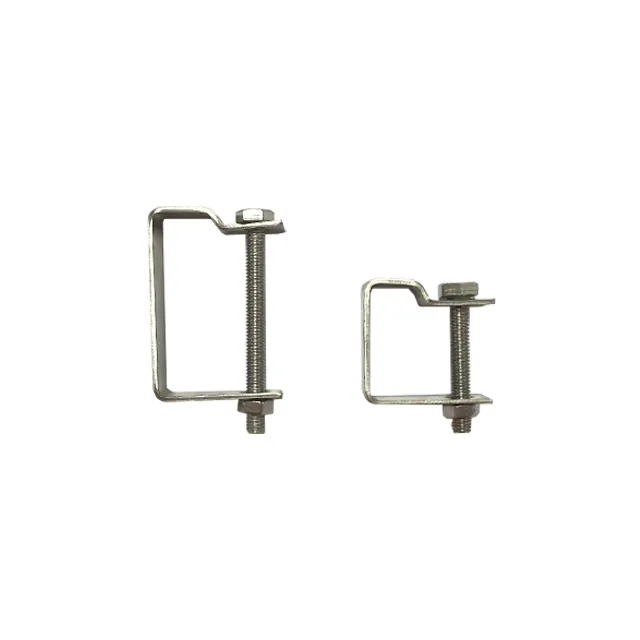
The same outline can conceal different products, fabrication work, accessories and delivery scope. Photo: Dengtai Industry.
- Buyer baseline
- One controlled item description, quantity basis, drawing revision, support and load input, accessory allowance, evidence request and commercial destination used for every supplier.
- Supplier evidence
- The exact words, drawing, schedule or attachment in an offer that support a claimed value. A sales statement without a row, unit or scope is not yet evidence for the worksheet.
- Normalization
- Restating each supplier response on the buyer baseline without changing the original offer. Differences remain visible and receive an action.
- Quantity basis
- The unit being priced, such as a source panel, finished piece, square metre, accessory set, fabrication lot or package.
- Scope gap
- Required work, material, document or delivery responsibility missing from an offer. A gap must be priced or accepted explicitly before comparison.
- Equivalent offer
- An alternative shown to meet the approved product, fabrication, evidence and commercial scope. Similar appearance or size does not make it equal.
- Commercial basis
- Currency, quote validity, Incoterm, named place, payment, packing, lead-time trigger, taxes and freight inclusions needed to compare the buyer's actual obligation.
| What looks comparable | What may still differ | Worksheet action |
|---|---|---|
| Same depth | Mesh, bar profile, resin, surface, colour, top face or panel format | Restore the exact product row from the approved baseline |
| Same square metres | One offer may price source panels and another finished pieces | Show panel count, finished-piece count and delivered area separately |
| Same load figure | Span, support, load type, contact area and deflection limit may differ | Compare one complete design condition and evidence source |
| Same cut piece | Direction, top face, opening support, edge seal or tolerance can differ | Match the current drawing revision and fabrication line |
| Clips included | Clip type, alloy, fastener, washer, count and spare allowance may differ | Convert the phrase into a defined accessory set |
| Report included | Issuer, specimen, batch, method, result and delivery stage may differ | Name the exact evidence item and required stage |
| Packed for export | Support, protection, labels, gross mass and package limits may differ | Compare a packing schedule rather than a generic assurance |
| Delivered price | Incoterm, named place, validity, duties and unloading may differ | Restate every total on one delivery and payment basis |
| Worksheet block | Buyer baseline to enter | Supplier evidence to record |
|---|---|---|
| Header | RFQ number, revision, site, buyer contact and required dates | Offer reference, supplier contact and validity period |
| Product | Construction, depth or profile, mesh or pitch, resin, surface and colour | Exact offered row or catalogue reference |
| Quantity | Unit, panel count, finished-piece IDs and project quantity | Offered unit and any conversion or spare allowance |
| Drawing and fabrication | Current revision, dimensions, direction, openings, edge scope and tolerance | Drawing reference, exclusions and fabrication assumptions |
| Support and load | Supported edges, clear spans, load case, wheel diameter and width, and deflection basis | Load table edition, contact area details and whether the offered row matches |
| Installation | Supply-only scope or defined site installation, fixing and commissioning | Whether labour, access, handling and site responsibility are included |
| Accessories | Type, material, fastener, washer and count | Included item list, package unit and missing hardware |
| Evidence | Data sheet, drawing, inspection, conformity, test or calculation | Named issuer, specimen, scope and stage |
| Delivery | Packing requirement, Incoterm, named place, currency and payment | Freight, insurance, unloading, taxes and validity |
| Worksheet row | Illustrative offer A | Illustrative offer B | Normalization result |
|---|---|---|---|
| Quantity basis | 3 source panels | 8 finished pieces | Both must show the source-panel consumption |
| Cutting | Buyer to cut | Factory cut included | Add cutting and lost remnant value to A |
| Edge scope | Not stated | Visible cut edges sealed | Mark A missing until confirmed |
| Fixings | Clips excluded | 24 defined clip sets included | Add the same hardware set to A |
| Drawing | Approximate layout only | Current Rev B referenced | A requires the controlled drawing before award |
| Wheel load | Not provided | Wheel diameter and width shown; load per wheel to confirm | A remains incomplete until both contact dimensions are stated |
| Installation | Supply only | Supply only | No installation allowance required |
| Delivery | EXW | FOB named port | Restate both on one named delivery point |
| Normalized total | Quoted subtotal plus missing-scope allowance | Quoted subtotal plus missing-scope allowance | Compare only after currency and exchange date are aligned |
Use one item ID, product row, quantity unit, drawing revision and required delivery basis.
Enter each supplier's exact offered values and attach the sentence or file that supports them.
Mark match, clarify, missing or assumption. A blank cell is not a matching value.
Show panel count, finished-piece count and area in separate columns so price bases are visible.
Add a separate allowance or request a revised line for omitted cutting, edge work, fixings or evidence.
Normalize currency, validity, Incoterm, named place, packing and freight exclusions.
Ask for one revised offer, accept a documented commercial exclusion or hold the comparison.
- One RFQ revision — Every offer must answer the same controlled request.
- One complete product row — Depth, mesh or profile, resin, surface, colour and direction are present.
- One quantity basis — Every number says whether it prices a panel, finished piece, area or service.
- Current drawing — The offer points to the approved revision and not a superseded sketch.
- Fabrication scope — Cutting, openings, edge treatment, piece marks and tolerances are visible.
- Accessory set — Clip family, material, fastener, washer and count are defined.
- Evidence schedule — Documents have a named type, issuer, scope and required stage.
- One commercial basis — Currency, validity, payment, packing, Incoterm and named place are aligned.
A grating quote comparison worksheet turns three sales totals into a controlled buying decision. One column records what the buyer requested. The next three columns record what each supplier actually offered and what evidence supports it. Price is ranked only after product, quantity, fabrication, accessories, documents and delivery are on the same basis.
The downloadable CSV is intentionally practical. It does not calculate a hidden “best supplier” score and it does not convert an unconfirmed specification into an approved product. It creates a visible audit trail for what matches, what needs clarification, what is missing and what still depends on an assumption.

Why Apparently Similar Grating Quotes Diverge
An FRP grating quotation can look comparable while pricing different work. One supplier may quote a source panel; another may quote finished pieces. One may include cut edges, piece marks and clips; another may leave those tasks to the buyer. A low subtotal can therefore be a different scope, not a lower price.
The product row is the first control. A molded depth is not a complete row because mesh, resin, surface, panel size and top face also matter. A pultruded depth is not a complete row because the I, T or WT profile, bar spacing, cross rods, bearing direction and panel format also matter. A covered panel adds base construction, cover, connection, thickness and drainage.
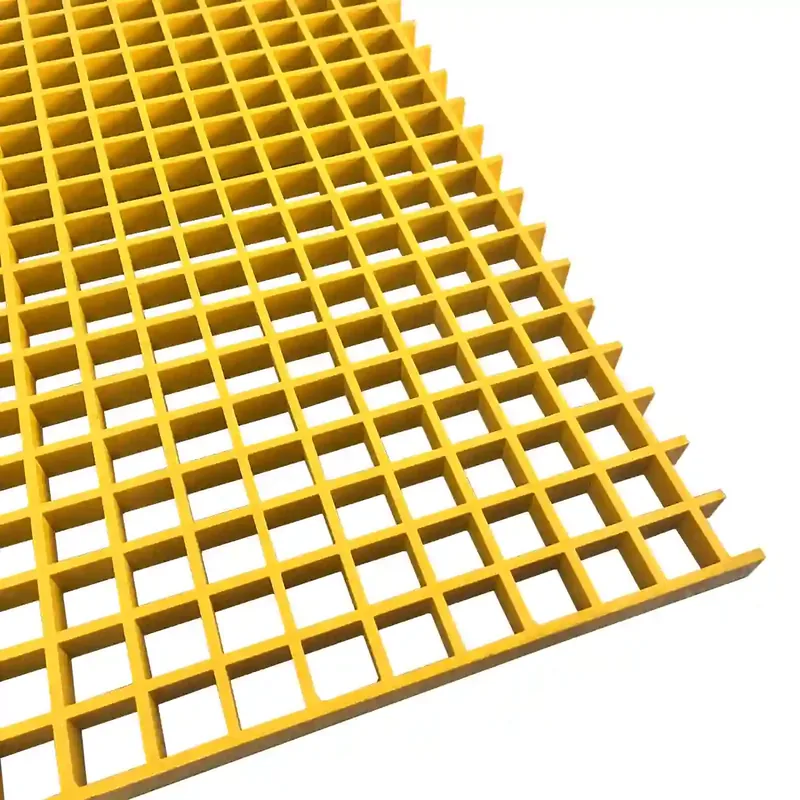
The second control is quantity. “20” can mean twenty panels, twenty finished pieces, twenty square metres or twenty packages. The worksheet needs a separate unit column because converting between them without a controlled layout creates false precision.
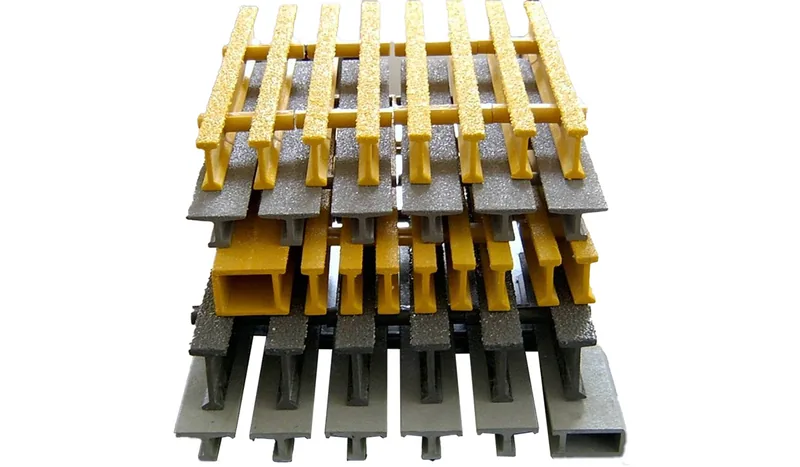
Use the Same Method for Three Offers
Record the buyer baseline first
Complete the baseline before reading the supplier totals. Add the project site, required date, buyer contact, exact product family, quantity unit, current drawing revision, support and load inputs, required exposure, accessory scope, evidence request, packing scope and named delivery place.
If the buyer has not fixed an input, write “TBC” and assign an owner. Leaving the cell blank makes an unresolved input look like a requirement that nobody noticed.
Copy each supplier’s evidence
For each offer, keep the supplier’s original wording beside a short normalized value. Example:
- Original: “heavy-duty 38 mm grating with clips”;
- Normalized product field: “38 mm molded row to confirm”;
- Evidence: catalogue page 4, no mesh or resin row;
- Status: clarify;
- Action: request exact row, clip family and quantity.
This avoids changing a supplier’s offer while still making the gap visible. Attach the quotation, drawing and catalogue reference to the RFQ revision so the comparison can be reconstructed later.
Convert quantity without hiding the original unit
Record the source-panel count and finished-piece count separately. If one offer prices a 1220 x 3660 mm panel and another prices a 1200 x 600 mm piece, create three normalized columns:
- number of source panels represented;
- number of finished pieces requested;
- delivered piece area.
The unit conversion should reference an approved piece list. It cannot be completed from the two totals alone because the panel layout, support and remnant rule may differ.
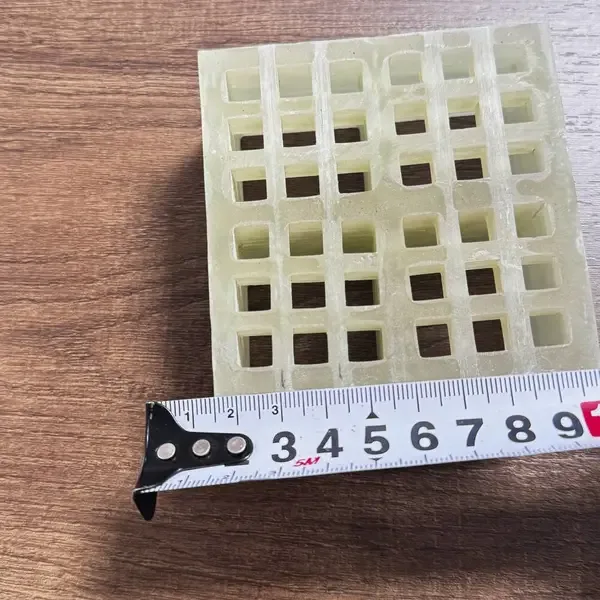
Price missing work as a separate allowance
Do not adjust the supplier’s official total without showing the adjustment. Add a worksheet line for:
- cutting and edge sealing;
- openings, drilling and local edge work;
- piece marking and labels;
- clips, bolts, washers and spare allowance;
- inspection, conformity or test documents;
- export packing and package identification.
The revised comparable amount is the supplier subtotal plus the traceable allowance, or the supplier’s revised quotation. A separate allowance prevents a hidden assumption from becoming the final order.
For wheel-loaded platforms, request the wheel diameter and width in addition to the load per wheel and the load contact area. For an installation offer, separate product supply from site labour, access equipment, fixing and commissioning. These rows belong in the worksheet because a wheel quote and a supply-only quote are not the same commercial basis.
Use a visible commercial build-up:
normalized total = quoted subtotal + missing-scope allowance + delivery adjustment
Keep the original currency, the exchange-rate source and the conversion date in the worksheet. If suppliers quote different currencies, the rate date is part of the comparison assumption and should not be left to a later spreadsheet.
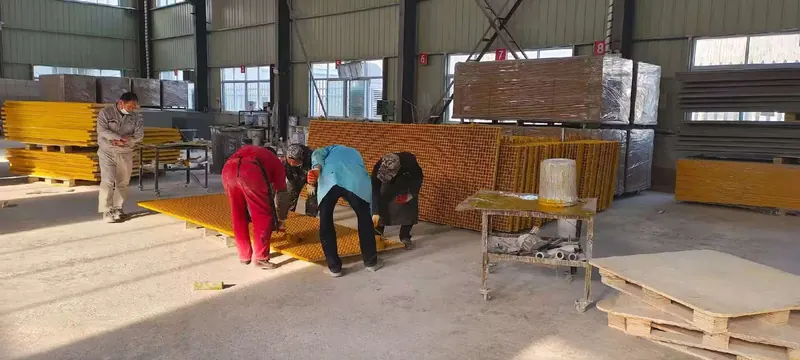
Restate delivery last
Convert every offer to one currency, Incoterm, named place and validity basis. State whether packing, freight, insurance, import duties, unloading and taxes are included. A supplier may be cheaper EXW but more expensive once the buyer adds export packing, carriage and risk.
Rank only after the status is clean
Use four worksheet statuses:
- Match: the evidence agrees with the baseline.
- Clarify: the supplier stated something, but one material field is ambiguous.
- Missing: no value or scope is present.
- Assumption: a value is being used only to estimate the gap and has not been accepted.
An offer with unresolved product or quantity status is not ready for price ranking. It can still receive a rank in a separate “indicative” column, but the reason must remain beside the number.
What Peer Quotation Forms Teach the Worksheet
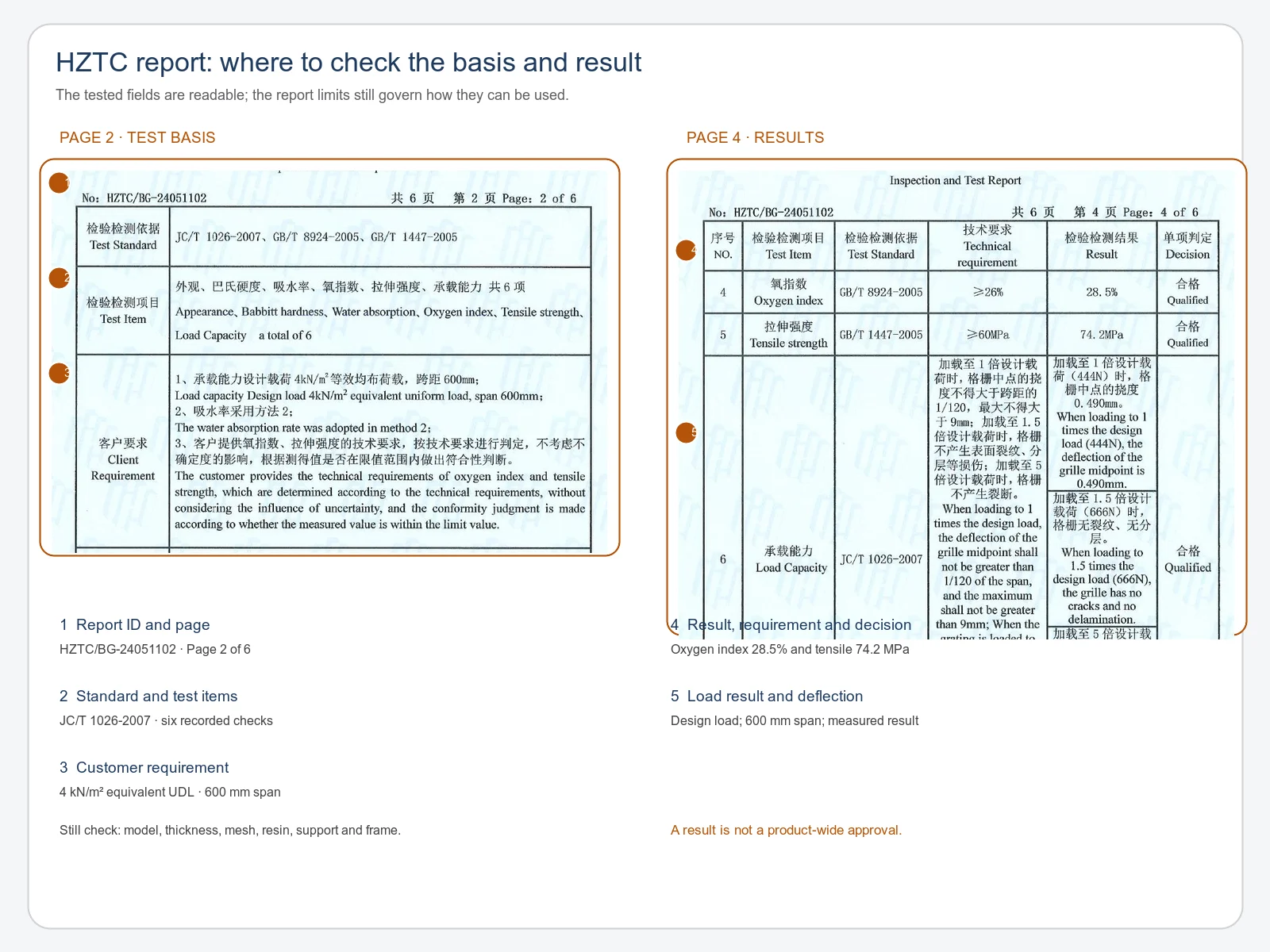
Strongwell’s pultruded-grating worksheet asks for the project context, design loads, wheel diameter and width, panel dimensions, resin, hardware and layout attachments. That is a useful reminder that a wheel load is incomplete without a contact area and that a panel size is incomplete without bearing direction and support.
Dongfu Grating’s quotation checklist organizes twelve inputs around application, environment, load, span, direction, material, finish, surface, quantity, installation, drawing and marking. We use the same principle but keep the comparison open across molded, pultruded, mini-mesh and covered FRP rather than treating it as one steel-grating row.
McNICHOLS’ fiberglass grating ordering method also separates construction, resin, grid or bar geometry, surface, open area, size or form, fabrication and accessories. None of those fields by itself proves equivalence. The worksheet therefore keeps the exact evidence beside every normalized value.
What Our Factory Adds to the Comparison
Our estimating review separates the source panel from the finished fabrication package. We first confirm whether the requested piece can be produced from the stated row and source size. We then check rotation, support, cutouts, edge treatment and packing. A comparison that does not carry those details can make two different manufacturing tasks look like two prices for one item.
That is also why we do not treat “clips included” or “test report included” as complete scope. The clip family, count and hardware must be named. The report type, specimen, issuer and stage must be named. When those details remain open, the worksheet keeps them open rather than filling them with the most convenient assumption.
The Decision the Worksheet Supports
A completed worksheet should answer four questions:
- Are the offers for the same product and quantity?
- Which required work or evidence is missing from each offer?
- What would each offer cost after the same commercial and delivery basis is applied?
- Which unresolved item prevents an award or production release?
If the answer to the first question is no, price ranking is premature. If the answer to the second or third question is incomplete, request a revised offer. If the fourth question has no owner and date, record a hold decision.
Use the incoming inspection record to continue the same item IDs into delivery. Use the FRP grating RFQ template when the request itself still needs a controlled structure. Use the BOQ example when the supplier needs a measurable line schedule before pricing.
Get a Quote
Get a Grating Quote Comparison Worksheet: Scope, Fabrication and Delivery Quote
- Keep each original supplier offer
- Identify missing scope
- Separate assumptions from evidence
Is the lowest grating quote always the best offer?
Can I compare a source-panel price with a finished-piece price?
Does the worksheet replace the supplier quotation?
What should be done when an offer contains an assumption?
How should wheel loads and installation scope be compared?
- Comparison boundary — A completed worksheet shows whether offers have been normalized. It does not approve the product, structural capacity, supplier or order.
- Evidence boundary — The worksheet records what a supplier supplied. A missing report or drawing remains an open item until the named owner resolves it.
- Commercial boundary — Currency conversion, taxes, duties, freight and payment effects must be stated by the buyer's commercial process.
This content was prepared and reviewed by Dengtai Industry’s technical and production team using the project conditions, available product data and applicable documents. Limits that require design, testing or approval are identified in the content. Content last checked: